
Summer Solstice (夏至): The Day That Stays a Little Longer
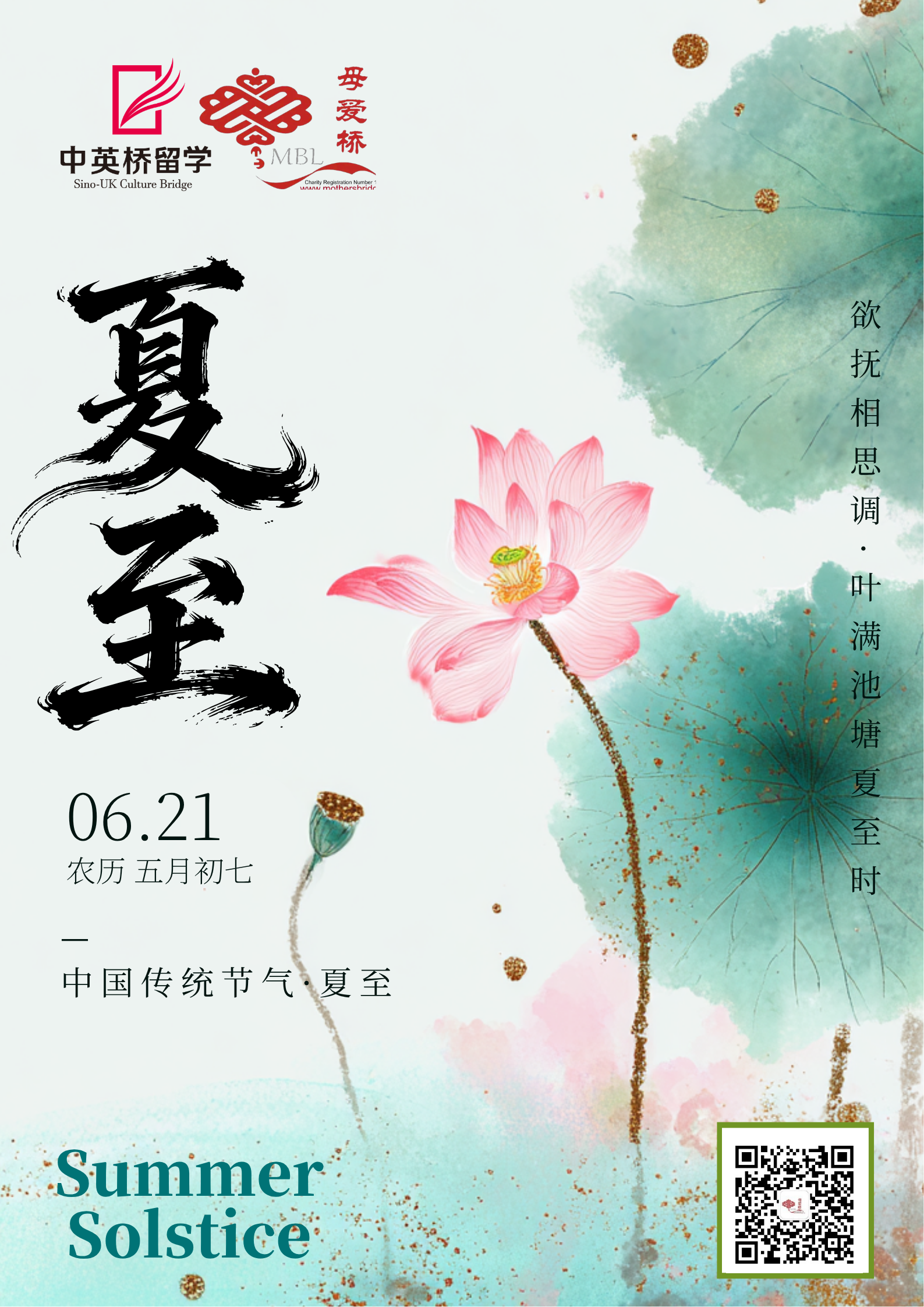
There is something slightly deceptive about the Summer Solstice.
It arrives carrying the promise of endless summer. The sky lingers into the evening, shadows stretch slowly across the ground, and daylight seems reluctant to leave.
It feels like a moment of expansion.
Yet hidden inside this longest day of the year is a quiet contradiction.
From the Summer Solstice onward, daylight begins to shorten.
Not dramatically. Not enough to notice at first.
Tomorrow still feels like summer. The week after still feels bright.
But the turning has already begun.
Perhaps this is why the Summer Solstice has always felt different from other seasonal milestones. It is not a beginning in the usual sense, nor an ending. It is a moment suspended at the point where something reaches its fullest expression and, at the same time, begins to change.
Traditional seasonal calendars paid close attention to these shifts. Not because people feared change, but because they understood that change rarely announces itself.
A season becomes another season quietly.
Children grow taller while nobody is measuring.
Relationships deepen through ordinary days.
Life rearranges itself without asking permission.
The Summer Solstice invites a different way of noticing time.
Not by counting what has passed or anticipating what comes next, but by recognising that even moments that seem complete are still moving.
The longest day is not a day that stands still.
It is simply a reminder that everything continues.☀️