
Mangzhong (芒种): A Season That Refuses to Wait
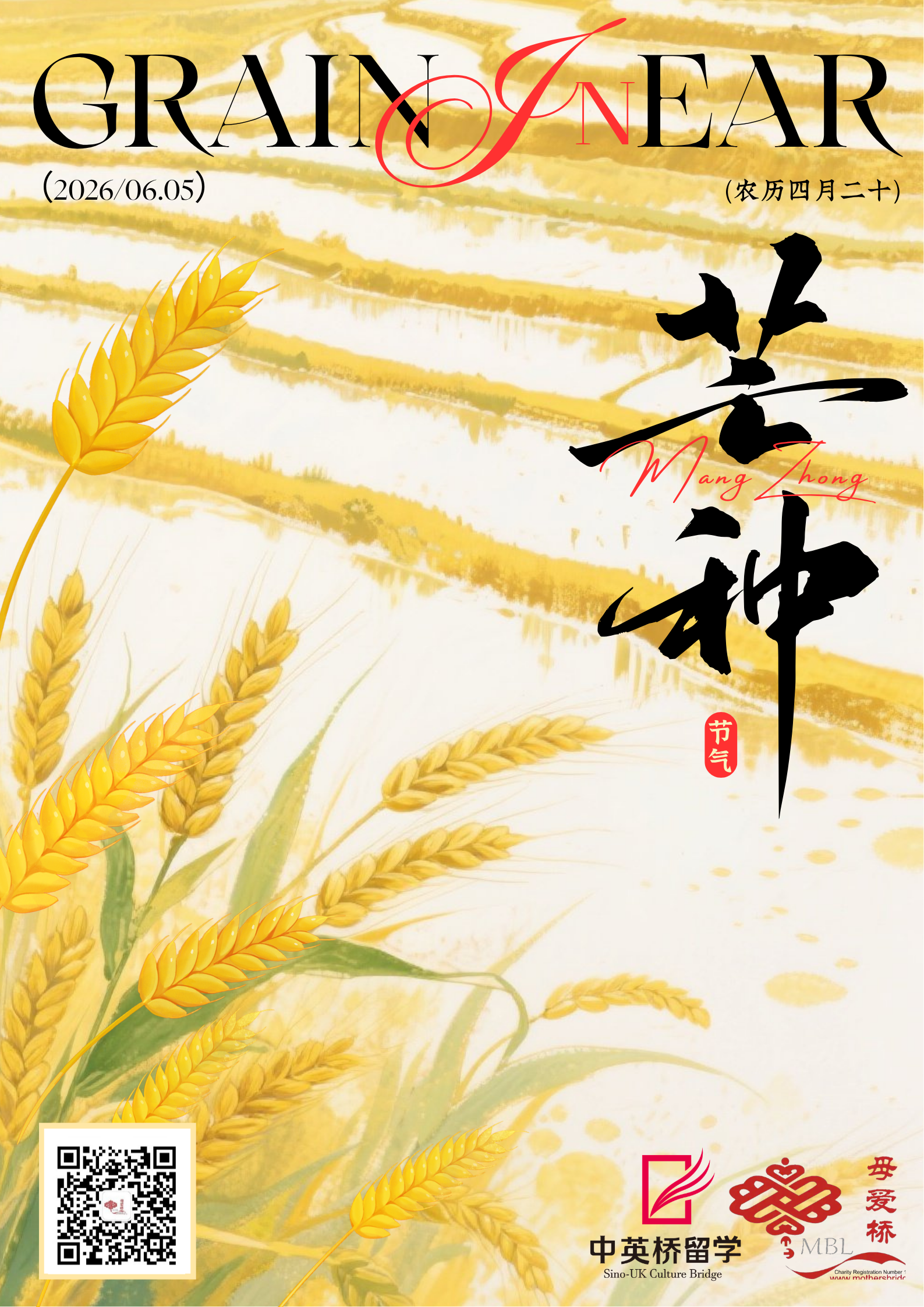
Among the twenty-four traditional Chinese solar terms, Mangzhong (芒种) carries a sense of movement unlike any other.
Its name refers to a very specific agricultural moment: grain with awns has reached maturity and should be harvested, while crops that depend on later planting must enter the soil without delay.
It is a season with little empty space.
One field is being cleared while another is being prepared. What has reached its end cannot remain standing forever, and what belongs to the future cannot wait indefinitely.
Yet there is something striking about the rhythm of Mangzhong. Although it is associated with busyness, it does not feel rushed.
Traditional farming followed seasons rather than urgency. There was work to do, but there was also trust. Seeds did not grow because they were checked more often, and harvest did not arrive because people worried harder.
Mangzhong recognises that life moves through overlapping cycles.
There are times when people are finishing one thing while beginning another. A child becomes more independent while a parent learns to step back. A familiar chapter closes while new routines quietly take shape. One identity loosens before another fully appears.
These moments can feel unfinished or uncertain.
But perhaps Mangzhong suggests that overlap is not disorder.
Perhaps some of life’s most natural transitions happen exactly this way: not in clean endings and fresh starts, but in seasons where gathering and planting happen together.
The fields do not pause between one harvest and the next.
And neither, very often, do people.