
Dragon Boat Festival (端午): The Things That Return Every Year
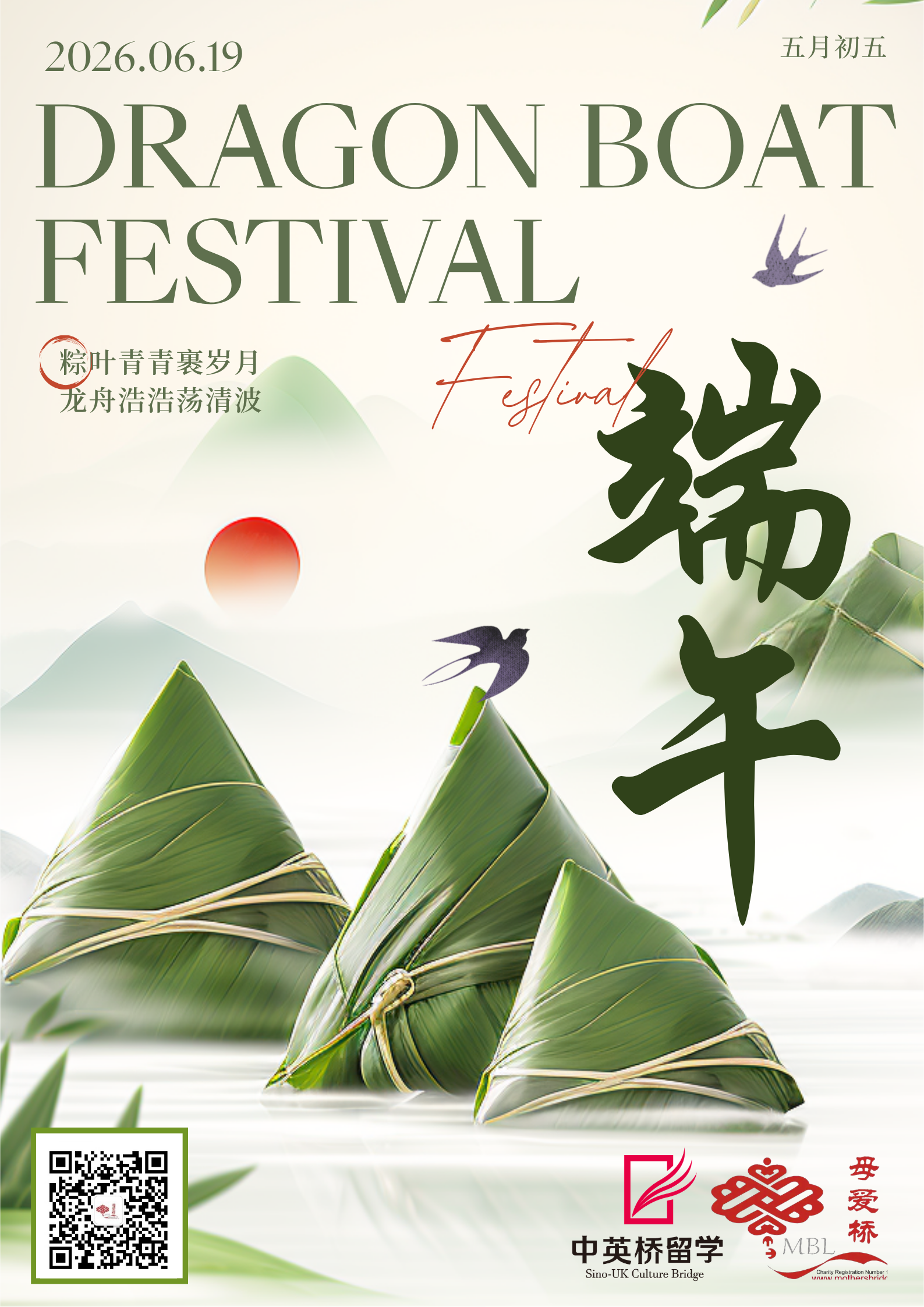
Some traditions survive not because people consciously preserve them, but because they return at the right moment.
The Dragon Boat Festival is one of those occasions.
Long before children learn its history, they often know it through experience: leaves folded around rice, food prepared differently from ordinary days, conversations that sound slightly more familiar than usual. A festival enters life first through the senses and only later through explanation.
That may be why certain traditions endure.
People rarely remember every detail of a celebration, but they remember repetition. They remember that every year, around the same season, something became slower, more intentional, or more shared.
The Dragon Boat Festival has many meanings attached to it. Some remember it through stories of history and remembrance. Others associate it with family customs, local foods, or seasonal rituals.
Yet perhaps beneath these different expressions lies something simpler.
Festivals interrupt ordinary time.
They create a pause in routines and invite people to notice things that daily life often leaves unattended: who is absent, who is present, what has changed, and what remains.
For children, these moments gradually become memory.
For adults, they sometimes become anchors.
Years later, people may no longer remember exactly which year it was or where they celebrated. But they often remember that there was food on the table, voices nearby, and a feeling that the day carried a different shape from the days around it.
Perhaps that is enough.
Not every tradition needs to explain itself in order to matter.
Some things remain important simply because they return, and each time they do, they remind people where they have been and who they have become.🌿