
Double Ninth Festival (重阳节) | The Stories Our Elders Carry
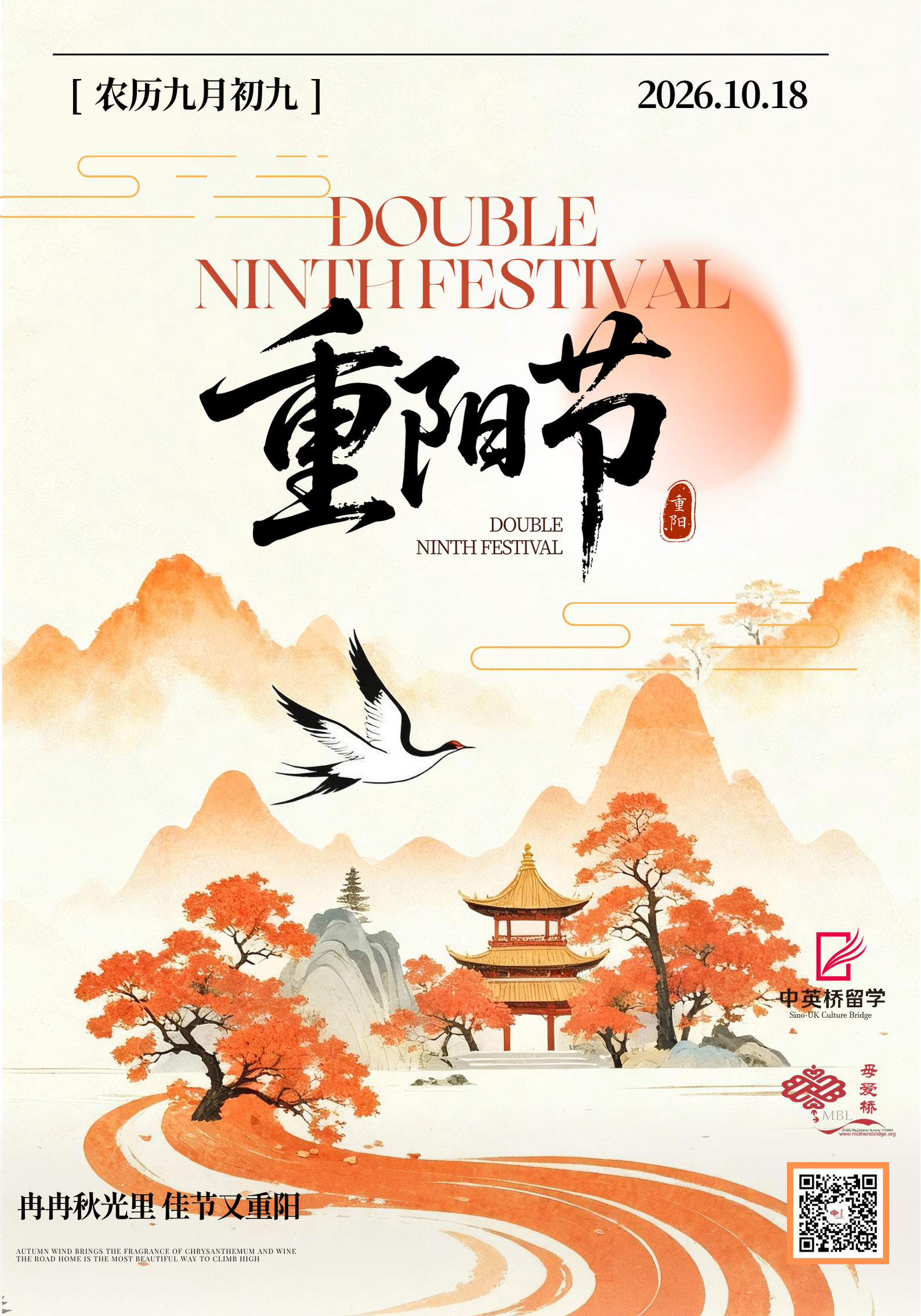
"Far away, I know my brothers are climbing the hills today, each wearing dogwood, with one person missing."
These lines, written more than a thousand years ago by the Tang dynasty poet Wang Wei, capture the longing for family that has long been associated with the Double Ninth Festival (重阳节, Chongyang Festival).
Celebrated on the ninth day of the ninth lunar month, Double Ninth is one of China's traditional festivals. The number nine is associated with yang in traditional Chinese thought, and the repetition of nine gives the festival its name.
For centuries, people have marked the occasion by climbing hills, admiring chrysanthemums and gathering with family. In modern China, it has also become an occasion to honour older people and recognise their contributions to families and communities.
But beyond the customs and celebrations, Double Ninth offers an opportunity to consider something we do not always make enough time for: the stories carried by those who came before us.
Before They Were Our Parents and Grandparents
We often think of older family members in terms of the roles they play in our lives.
They are the people who raised us, cared for us, offered advice or reminded us to put on another layer when the weather turned cold.
Yet before they became parents or grandparents, they had lives filled with their own ambitions, friendships, adventures and difficult choices.
They experienced a world that may look very different from the one we know today.
Some of their memories survive in photographs, letters or family possessions. Others exist only in stories, perhaps told around a dinner table or recalled when a familiar song begins to play.
How much do we really know about the younger lives of the people closest to us?
Sometimes, all it takes to discover something remarkable is a simple question:What were you like when you were young?
When Family Stories Cross Generations
Family stories help us understand more than the past. They can also shape how we see ourselves.
A grandparent's memory of their hometown, a parent's account of moving to another country, or a story about a family tradition can offer younger generations a sense of history and belonging.
For children growing up across different cultures, including those in transnational adoptive families, these stories can be particularly meaningful.
Understanding family history may involve more than one family, country or cultural tradition. Some parts of that history may be well documented, while others remain uncertain or unknown.
At The Mothers' Bridge of Love, we recognise the importance of respecting these different experiences and giving people opportunities to explore their own stories.
Listening to older generations is one way of preserving memories, but it is also a way of recognising that every person's life has value beyond the role they play in our own.
A Conversation Worth Having
The Double Ninth Festival is traditionally associated with wishes for longevity, health and wellbeing.
Today, perhaps one of the most meaningful ways to celebrate is simply to spend time with an older person.
Share a meal. Make a phone call. Look through an old photograph album together. Ask about a childhood memory, a favourite place or a moment that changed their life.
And when a familiar story is told again, perhaps listen a little more closely.
There may be something in it we have never noticed before.
As we celebrate Double Ninth, The Mothers' Bridge of Love extends our warmest wishes to older people, families and communities around the world.
May our elders be treated with care and respect, their experiences valued, and their stories carried forward by those who come after them.
Happy Double Ninth Festival. 重阳安康!