
Written by: Xuemo | 雪漠
Translated by: Kaidi Lyu
Editor’s Note:
This article is excerpted from Haha! Britain — a charitable bilingual publication co-produced by The Mothers’ Bridge of Love (MBL) and River Cam Breeze. The book is a lively collaboration between 42 Chinese authors living in the UK and 36 university-based volunteer translators. With wit and warmth, the stories capture the everyday realities of Chinese communities in Britain, offering an honest look at the cultural clashes, humour, and adaptation that arise in the space between Chinese and British ways of life. Haha! Britain has been warmly endorsed by several well-known figures in UK-China relations, including Stephen Perry (former Chairman of the 48 Group Club), Luise Schäfer OBE (former British diplomat and Chamber of Commerce chair), Professor Hugo De Burgh (former BBC editor and academic), and British scholar Martin Jacques. The book’s title was handwritten by celebrated British-Chinese artist Qu Leilei, its cover illustrated by bestselling Chinese author and poet Feng Tang, and the postscript contributed by Xue Mo, a prominent voice in contemporary Chinese literature.
My lifelong mission has been to serve as a bridge of literature and culture, and I hope that through my writings, I can connect Chinese literature and traditional culture to the world, and how fortunate it is that this bridge does not stand alone. When attending the London Book Fair, I met yet another bridge – Xinran’s Mothers’ Bridge of Love and its volunteers. The shared cultural aspiration between us has persuaded me to show great joys and support when the book HaHa! Britain was taking its shape, and later when Xinran asked me to furnish it with an epilogue, I was more than happy to oblige.
Though my time in Britain was brief, just a few days at The London Book Fair during which I felt like a fleeting visitor, I formed a unique connection with this place, a connection bridged by none other than Shakespeare.
I have great respect for Tolstoy, but I disagree with him on Shakespeare. Tolstoy condemned the plays of Shakespeare as overly pretentious. I understand his criticism – Tolstoy’s straightforward writing style and lofty spirit meant he naturally couldn’t appreciate the exaggerated expressions of Shakespeare. However, plays are dramas after all, and dramas are expected to be dramatic. And in pursuit of drama, exaggeration is inevitable. As for that pretentious air, one cannot blame Shakespeare alone – the only “crime” he committed was being British, and thus inheriting that distinctive national trait of being a bit hoity-toity. And let’s face it, that touch of pretentiousness is part of British charm: whether in solemnity or in levity, there’s always an underlying hint of superiority.
Yet Shakespeare is like the gooey and mellow filling in a custard cream, sandwiched by hard criticism. On one side is Tolstoy, who dislikes his pretentiousness. And on the other side are British aristocrats who disliked him for not being pretentious enough. Even though that earthy, folkloric and Shakespearean simplicity could elicit hearty laughter from Queen Elizabeth I herself, the aristocrats still despised his plays, as their folkish characteristics were, in their eyes, signs of low social standing and vulgarity.
I, however, adore these earthy flavours. How could a tree – whether it be literature or culture – thrive if its roots are not deeply embedded in the soil of everyday life? This book is a collection of vibrant and lively accounts, and the source of their vitality lies in daily life itself. Every Chinese person who sets foot on the British Isles first faces the challenge of navigating everyday life. Those loftier ambitions, like spreading culture, come only after this hurdle is crossed.
During my short stay in London for the Book Fair, I found myself primarily grappling with the intricacies of life here. I took a keen interest in the locals – observing their daily routines, preferences, literary tastes and habits.
It is everyday life that readers of my books are first introduced to. For instance, the Desert Trilogy depicts rural life in western China during the 1980s. Similarly, when we delve into the works of Shakespeare or Tolstoy, the journey begins with life itself before progressing to deeper reflections on humanity and culture. This is why I hold Tolstoy and Shakespeare in such high regard.
Before touring the West with my books, I had always assumed that most overseas Chinese still served as vessels of Chinese civilisation, with a beating Chinese heart and a deep love for their culture. However, I found that this wasn’t always the case. While some do indeed hold fast to their cultural roots, many more are gradually becoming part of foreign soil.
Take Chinese Americans, for example. When I visited Washington, I attended several gatherings and ceremonies with Chinese people from across the United States. Chinese elites from various fields seemed eager to shed their Chinese identity. They repeatedly emphasised their American citizenship, professed their love for the United States, highlighted the amount of tax they had paid, and underscored their contributions to the prosperity of the US. And there I was, listening to their speeches in shock.
Yet, shock aside, when I placed myself in their shoes, I felt sorrow and bitterness. How hard they had laboured to integrate themselves into American culture and gain a ticket to the elite club! And yet I knew, deep down, that this was impossible. They are destined to become lost, and, worse still, to face despair.
I’ve also met Chinese living abroad in peace and confidence. And they all share one virtue: to maintain their cultural roots. And surprisingly, they were not discriminated against, but rewarded with respect.
When talking about the founding principles of western nations and China, we cannot assert which is right and which is wrong, as their goals are different, if not opposing from time to time. However, communication and dialogue between the two are essential. And the universal language that can achieve such a dialogue is wisdom and love.
Lastly, I would like to express my deep gratitude to the “Mothers’ Bridge of Love” for their efforts in fostering cultural exchanges between the East and the West. “Motherly love” isn’t just found in breathing beings; it dwells in all things in the universe and manifests as a profound spiritual principle. The Chinese traditional culture we aim to spread embraces this very spirit: nurturing all things without possessing them, helping others without seeking credit, shaping and benefiting all beings without controlling them. May this “motherly love” reach every corner of the world.
About the author
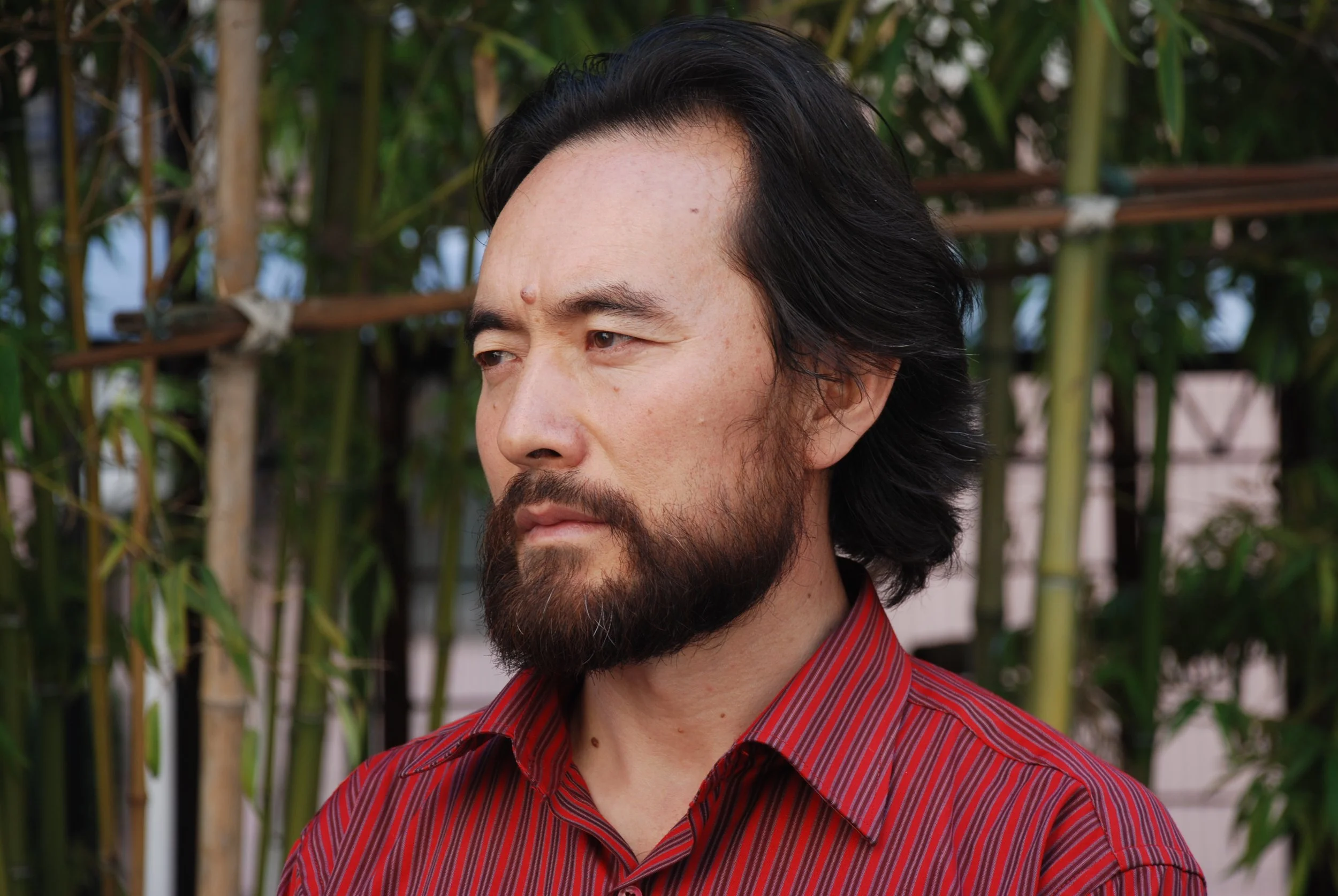
Xuemo is a distinguished Chinese writer, Vice Chairman of the Gansu Writers Association, and Director of the Guangzhou Institute of Shangpa Culture. His works, including Desert Rites, Hunter’s Plains, and White Tiger Pass have been included in research projects in multiple high education institutions such as Peking University, Fudan University, Lanzhou University and Minzu University of China.
我一直在说也在做的一件事情,就是让自己成为一座文学和文化的桥梁,让世界通过我的作品,了解中国的文学和传统文化。当我来到英国参加伦敦书展,美好的缘分,让我遇到了另一座桥:欣然女士的志愿者团队“母爱桥”。因为我们有共同的文化愿心,“母爱桥”也在伦敦书展中给了我很多支持和帮助。因此,这次“戏说英国”图书出版发行,我也非常随喜和祝贺,欣然让我写一篇后记,我非常乐意。
虽然我并没有在英国长期生活的经历,短短几天的书展活动,又使我更像一个匆匆而来又匆匆而去的过客,但我对英国,也有属于我自己的一种情感。
这份情感,是由莎士比亚牵线搭桥的。
我喜爱托尔斯泰,但托尔斯泰认为莎士比亚的戏剧文学太过于装腔作势。我能理解他的这番批评,以托尔斯泰的朴实文风和深刻厚重的精神,对莎士比亚戏剧中某些夸张的表达,自然是不太欣赏的。不过,戏剧总归是戏剧,它需要舞台的效果,必然免不了夸张的表达。至于装腔作势,也不能怪莎士比亚,一个国家有一个国家的性格,说句玩笑话,英国人不就是有这么一点装腔作势的可爱吗?不管是装腔作势的严肃冷静,还是装腔作势的活泼兴奋,总是脱不了那一层底色的。
莎士比亚真像是一个夹心饼干里的夹心,托尔斯泰不喜欢他的装腔作势,而装腔作势的英国贵族不喜欢他的烟火气,就是那种太接地气的民间味儿。他们总嫌弃他的出身太低,嫌弃他的戏剧俗里俗气,哪怕这种俗气能把伊丽莎白一世都逗得嘎嘎大笑。
而我非常喜欢这种民间的味道。文学也好,文化也罢,若是没有民间的土壤,怎么能有生命力呢?
这本因“戏说英国”征稿结集而成的书,可都是热气腾腾的生活啊。每一个来到英国的中国人,首先要面对的,就是生活,然后才是传播文化等等理想的东西。我来伦敦参加书展,虽然待的时间不长,但我遇到的问题,首先也是生活的问题。我关注的,也是这片土地上的人,他们是怎样生活的,有什么生活习惯,他们喜欢什么,他们爱读什么样的书。
读者从我的作品里,首先看到的也是生活。像“大漠三部曲”,它就是上个世纪八十年代中国西部乡村中的一个生活缩影。同样,我们读莎士比亚,读托尔斯泰,都是这样的,先读到生活,再读到人性和文化。这就是我喜欢托尔斯泰、喜欢莎士比亚的一个重要理由。
在我近年带着自己的作品走出国门周游欧美之前,我一直觉得,海外华人大多有一颗中国心,都热爱中国文化,都是中华文明的载体,但事实上不是这样。有的人在异乡的土壤上,还坚守着自己的根文化;而更多的人,却慢慢地被异乡的土壤异化了。
比如,在华盛顿,我参加了一些全美华人的庆典和会议。我看到各大领域的精英们都在极力地想洗掉自己的华人身份,洗掉自己的华人标签,一再强调自己是美国公民,很爱美国,为美国交了税,为美国的繁荣做出了贡献。听着他们的发言,我感到很吃惊,也有一种设身处地的悲凉与辛酸感。他们是多么卖力地想要融入美国的文化圈和精英阶层啊!但我非常清楚,这不可能。他们注定要失落甚至绝望。
我也见过在海外生活得很淡定从容的华人,他们基本上有个共同点,就是守住了自己的文化认同,从没有丢掉自己的根文化。他们反而能赢得尊重。
当然,西方的立国之本和中国的立国之本,我们不能说谁对谁错,因为两者追求的目标不一样,有时候甚至是背道而驰的,但是两者之间仍需要沟通、需要对话。那么,唯一能够沟通到一起的就是爱与智慧,因为整个人类都需要爱与智慧。
最后,我想再次感谢“母爱桥”为东西方文化交流所做的一切。“母爱”,不仅存在于有情生命中,也存在于天地万物中,它是一种大道的精神。我们要传播的中国传统文化,就是这样的一种“母爱”精神,生养万物而不占有,帮助他人却不居功,成就、利益众生却不掌控。愿“母爱”遍及世界每一个角落。
作者介绍
雪漠,中国一级作家,甘肃省作家协会副主席,广州市香巴文化研究院院长。他著有《大漠祭》《猎原》《白虎关》等作品,已被列入北京大学、上海复旦大学、兰州大学、中央民族大学等高校的研究专题。
Both the Chinese and English editions of Haha! Britain can be purchased at the following platforms:
· Daunt Books Marylebone: 84 Marylebone High Street, London W1U 4QW
· BOOK FAN