
Written by: Lin Xue | 林雪
Translated by: Yurong Li
Editor’s Note:
This article is excerpted from Haha! Britain — a charitable bilingual publication co-produced by The Mothers’ Bridge of Love (MBL) and River Cam Breeze. The book is a lively collaboration between 42 Chinese authors living in the UK and 36 university-based volunteer translators. With wit and warmth, the stories capture the everyday realities of Chinese communities in Britain, offering an honest look at the cultural clashes, humour, and adaptation that arise in the space between Chinese and British ways of life. Haha! Britain has been warmly endorsed by several well-known figures in UK-China relations, including Stephen Perry (former Chairman of the 48 Group Club), Luise Schäfer OBE (former British diplomat and Chamber of Commerce chair), Professor Hugo De Burgh (former BBC editor and academic), and British scholar Martin Jacques. The book’s title was handwritten by celebrated British-Chinese artist Qu Leilei, its cover illustrated by bestselling Chinese author and poet Feng Tang, and the postscript contributed by Xue Mo, a prominent voice in contemporary Chinese literature.
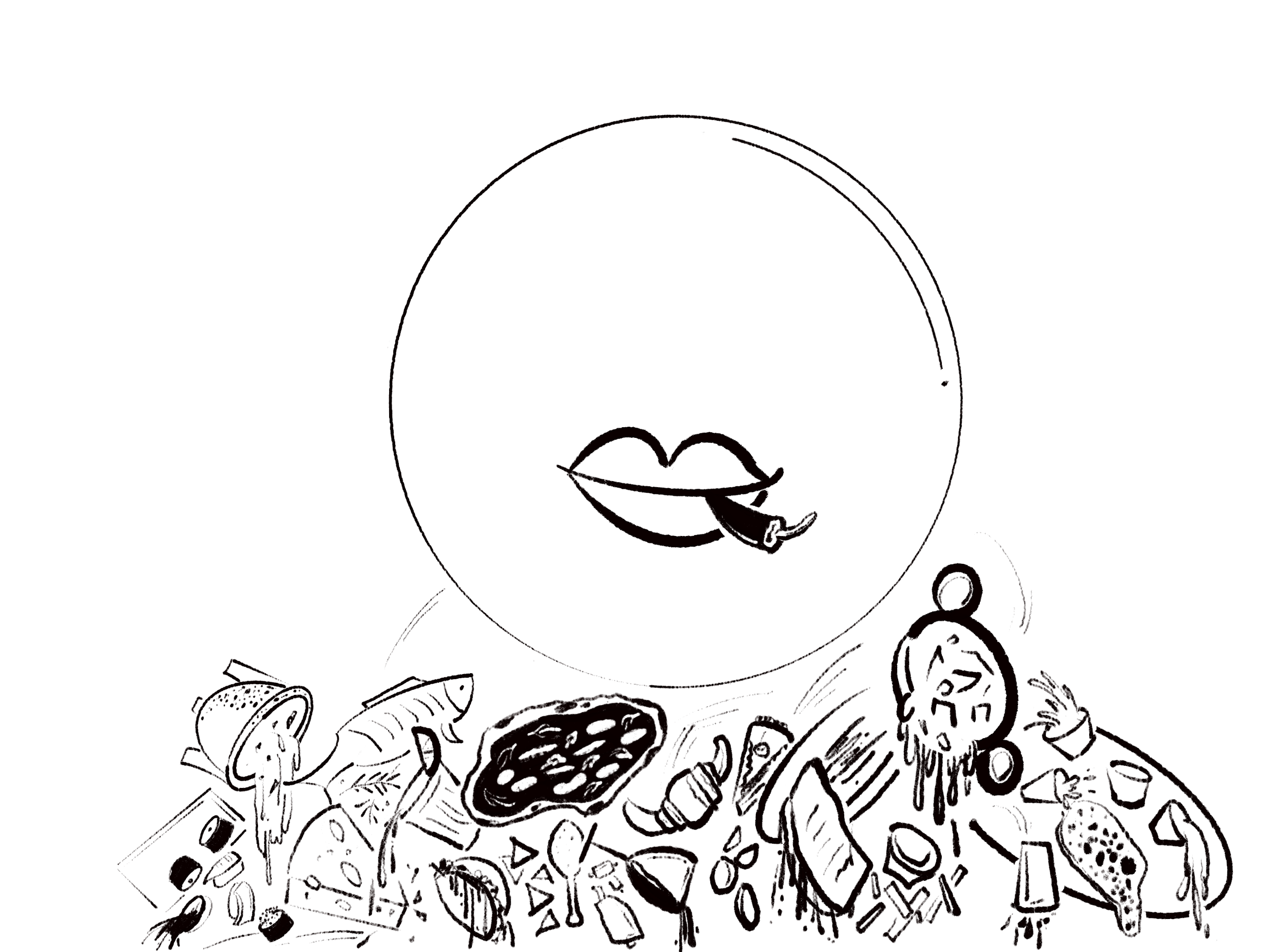
Illustrated by Tian Tian
I blame my mother, a woman born and raised in Sichuan, for turning me into a foodie. And who would have thought that one day, this foodie would find her way to London? Despite its claim to be “the capital of epicures”, this metropolis certainly brought me much misery when it comes to food.
Cold dishes and drinks are my biggest source of discomfort. Traditional Chinese medicine holds that the spleen and stomach – the vital organs responsible for generating qi and blood – thrive on warm food and drinks. Since ancient times, the Chinese have promoted drinking boiled water, preferably while it’s still warm. When visiting friends, the host will always offer a nice cup of hot water the moment a guest enters their home, and for those feeling unwell, a glass of hot water is the first line of defense. However, the British seem unable to live without cold food and drinks.
When I first arrived in the UK, I was warmly welcomed by an elderly couple who kindly treated me to a feast made from whatever they had in their refrigerator. Apart from a few slices of toast struggling to stay lukewarm, the rest of the meal – milk, drinks, cheese, jams and salad – was as chilling as the winter weather. There was hot tea and coffee, but they only came to my rescue after the meal. As for boiled water, it was a distant dream – cold water is evidently a staple in the British diet. Equally cold are the wines and spirits. In traditional Chinese culture, wine is often warmed in a water bath before serving. This warms the stomach, and in winter, the whole body. While people from southern China may not do this as frequently, at the very least, wine is served at room temperature.
The British, however, insist on serving their alcoholic drinks chilled. Ice cubes floating in glasses are a common sight, and every ounce of gin is diluted with tonic water – how odd! It wasn’t until later that I learned nearly all “Western alcohol”, such as brandy, vodka, whisky, beer, wine and liqueur, is best served chilled, on the rocks or mixed with other beverages to enhance the flavour. The strong alcohol can mask the unique taste of the drink if not balanced this way. But I still can’t wrap my head around the idea of serving red wine, with its moderate alcohol content, chilled!
When seeing the British diluting their alcoholic drinks – especially those containing merely 30 to 40 percent of alcohol – some Chinese mistakenly think that the Brits cannot handle their alcohol like the Chinese do. That is simply a misconception. The Brits are fervent followers of Dionysus and not even the inferno itself could stop them from downing a couple more pints, let alone a few more ice cubes and a splash of tonic. The streets of London are teeming with bars, pubs and clubs, always overflowing with cheerful customers. Every night, conversations swell into a roar until customers are reminded it’s closing time. If pubs and bars in the UK didn’t close by 11 pm, I’m convinced some people would spend not only the entire night but their whole lives there. Thankfully, their need to work during the week to earn a living somewhat curbs their appetite for more pints. Yet, these gentle Dr. Jekylls of the weekday transform swiftly into wasted Mr. Hydes by Friday night.
I had an encounter with one such tipsy creature. I was on a double-decker bus, and when it stopped at a station, a rather chubby fellow tumbled down the stairs. The rumbling and clashing noises heralded his descent. Reeking of alcohol, he struggled to stand on his feet, staggered to the doors, and, as he set foot outside, stumbled again, rolling straight out of the bus and continuing his journey. As the bus drove some distance away, I glanced back and could still spot his hefty figure, now lying completely horizontal on the pavement.
The British also have a sweet tooth. I first noticed this in the yoghurt I used to purchase in the supermarket for 34 pence every day. It was the supermarket’s own brand, quite tasty and well-priced. The only problem is the jam it contained – its sweetness could be cloying. Then I discovered that the British never finish a meal without dessert. When I went to visit a family, they were celebrating their teenage son’s birthday. The hostess baked a big cake for everyone. It was topped with a little cottage circled with miniature fences and decorated with lawns and flowerbeds, with snow-white icing glowing underneath. Yet this little estate straight out of a fairy tale was built upon a precarious volcano filled with dense chocolate sauce, which oozed out from the edge of the cake like brown lava. It was too sweet – almost criminally so, and I rudely had to leave this beautiful delicacy behind on my plate. Moreover, British sweets are often accompanied by acidity, and many sauces are the union of both – some say that is part of the legacy of the conquering Romans. Lemon is a must in cooking; lemon is to British cuisine what vinegar is to Chinese cuisine.
And don’t even get me started on fish and chips – it’s far too simplistic to be worthy of a national dish. A fish weighing over 500 grams, barely salted, coated in flour, and deep-fried. Then, it’s hastily served with a few pieces of fried potatoes and a small puddle of ketchup – that’s it! On that long beach once kissed by Queen Victoria’s toes, every restaurant sells fish and chips, and the only thing distinguishing them is the price. Given that the UK is surrounded by oceans, how can fish and chips be the only notable fish dish? Now I understand why fish die with their eyes open – knowing that their fate is to become a stiff, fried morsel, they’re unable to close their eyes and die in peace!
It’s not that people in the UK hate savoury food; many simply reject it because of health concerns. One day, after the theatre, my friend and I spotted a crowd peering around a doorway – goodness gracious, a Chinese noodle shop! We walked in, filled with excitement and anticipation. But what we were served was a forkful of noodles swimming in plain water with a few drops of soy sauce and a handful of beansprouts as garnish. After thoroughly inspecting it from every angle, I voiced my frustration at such a baffling dish: how can they expect us to swallow this abomination? There wasn’t a single drop of oil in sight, let alone the luscious toppings I had been hoping for.
My friend explained that it’s because the English believe fatty and oily food isn’t good for their health. But that doesn’t add up – why do they never reject the butter on their toast? Isn’t butter pure fat? At that moment, a wave of homesickness swept over me, and I longed for the noodle bars lining the streets of Chengdu. Their menus, usually a board on the wall, announced blissful bowls of noodles with all sorts of toppings: braised beef, braised ribs, braised pork intestines, minced pork with chilli, pickled pepper with chicken giblets, fried eel with minced garlic, and so much more. Even the famous Dandan noodles come in countless variations, whether topped with crispy fried minced pork or delicate salted pork, and they could be enjoyed with or without broth… every variety is a gourmet dish that no one can refuse.
No matter how sensible and proud they may be, the British can’t hold out for long against the temptation of Chinese cuisine, especially that from my hometown, Sichuan. When I was in London many years ago, there were already plenty of Chinese restaurants. The most beloved were the Cantonese places, serving Har Gau and fish porridge, while Sichuan restaurants were also starting to sprout up. Now, London boasts Sichuan-style hotpot chains that have been warmly embraced by the locals. As I write this, I’ve come across a Londoner’s review of Chengdu: Lovely weather, reasonable prices, convenient shopping, excellent public transport, clean streets, and most importantly, amazing food. It was a paradise – if only it weren’t for the mosquitoes!
About the author

Lin Xue is a member of Sichuan Writers Association and Chengdu Writers Association. She was a visiting scholar at the Chinese University of Hong Kong (CUHK).
我之所以成为香香嘴,责任全在我妈,因为我妈是地道的川妹子。
终于有一天,我这个香香嘴,到了英国的伦敦。但是号称世界第一城的伦敦让中国的香香嘴很痛苦。
先说冷热。中医认为人体最重要的脾胃喜温恶寒,自古就提倡把水烧开,喝热水。亲朋好友来家做客,进门先奉上一杯热水;有人身体不舒服,会立马给他倒杯热水。可是英国人就喜欢吃凉的。一下飞机,我就被一对老夫妇接到家里,热情地从冰箱里拿吃食:大冬天的,桌上除了面包烤过,牛奶啊,饮料啊,奶酪啊,果酱啊,还有沙拉,统统都是凉的。当然,咖啡和红茶是热的,只是都没上正餐。而且,在英国只能够喝凉水。还有酒。中国人喝酒,按照老规矩都要用温水烫过,特别是冬天,温酒不仅暖胃而且暖身,南方不大温酒,起码也是常温。可是英国人就是要喝冷酒。喝酒不但要加冰块,还要加水,一盎司金酒要加一听“汤力水”,真是奇怪。后来才知道,几乎所有的“洋酒”,诸如法国的白兰地,俄国的伏特加,英国美国的威士忌系列,还有啤酒、葡萄酒、利口酒(Liqueur)等等,都要加冰加水。说起原因,因为这些洋酒浓度太高,酒精的气味会盖住其它的香气,加一些冰块容易入口。可红酒的度数就不高了吧?为什么还要冰镇?
还有人说,英国人酒量不行,三四十度的酒还要加水加冰,是为了稀释浓度,让他们别喝醉了。这简直是低估英国人对于酒神狄俄尼索斯的狂热崇拜—别说那点冰啊水的,就是刀山火海也拦不住。在伦敦,满街都是酒吧,一到晚上就喧声哗语,座无虚席,直到 10 点之后店家来打招呼才陆续离开。英国有规定,夜里 11 点无论有多少客人,酒吧一定得关门,否则他们会日以继夜地喝,永无止境。因为第二天要上班挣钱,英国人平日都还克制,全是彬彬有礼的君子,可一到周末就成了醉鬼。醉到什么程度?一次我乘坐伦敦的双层公交车,车到一站停下,忽听得楼梯一阵轰隆作响,从上层滚下一个浑身酒气的大胖子来,那胖子好容易摇摇晃晃站起来,走到车门前,一脚跨将出去,又是一个踉跄,倒在了马路边上。公交车开出去老远,我回头看去,胖子还在马路边上躺着。
英国人还嗜甜。我在伦敦的那些日子没有别的爱好,就是每天要花上 34 便士去超市买一份酸奶,超市自制的酸奶味道不错,价格也消受得起,可是配置的果酱太甜了,甜得令人发齁。英国人饭后如果不来一道甜点,就等于饭没有吃完。我们去一家人做客,正赶上中学读书的儿子过生日,女主人为客人们做了一个大蛋糕:蛋糕上面很精致地做出了带篱笆的小房子和开满鲜花的草地,夹层断面露出雪白的蛋白糖霜,真是一个美丽童话。遗憾的是这一切都建筑在极浓的巧克力酱汁之上,棕色的酱汁甚至顺着蛋糕悬崖般的边缘流淌,就像从火山口流出来的岩浆——实在是太甜了。最终我顾不得礼貌,把它留在了盘子里,没有吃完这道美丽的甜点。
英国人还喜欢甜中加点酸,据说是古代侵略者罗马人留下的痕迹,各种各样的酱汁都是酸甜味道,柠檬是做菜的必需品,相当于我们用的醋。
英国的“国菜”炸鱼和薯条:一条斤把重的鱼,放很少的盐,用面粉裹了,放油里炸熟,再在盘子边上加些炸薯条,挤点西红柿酱,就此而已。那条维多利亚女王走过的长长的海滩上,家家馆子都在卖鱼条,一模一样只不过价格不同。英伦岛四面临海,最不缺的就是鱼,吃法仅仅如此,太辜负鱼了。
其实英国人并非不喜欢吃味道,很多人都是让“政治正确”给耽误了。一次和朋友看完演出去吃夜宵,只见一家中国餐馆门前熙熙攘攘:是卖面条的。我满心欢喜地进去,等到面条端上桌才傻了眼:一碗白水,淡淡的几滴酱油,一撮黄豆芽,上面盖着一筷子面条。我端起碗左看右看:这面条怎么吃啊?别说是香味浓郁的各式浇头了,连一粒油珠子都没有。朋友说老外认为吃油不健康,如果店家放了油,这面条就卖不出去。恨油恨到如此地步,就有点奇怪了:他们每天早餐都要用黄油抹面包,那一块一块的黄油,难道就不是油吗?此时此刻,我的心头涌上一阵悲哀,伴随着浓烈的乡愁,不由得想起了成都满街的小面馆,哪家墙上的菜牌不是排列着几十个品种:红烧牛肉面,红烧排骨面,红烧肥肠面,素椒杂酱面,泡椒鸡杂面,大蒜鳝鱼面……光是脍炙人口的担担面,就有脆臊面,干拌面,勾魂面,渣渣面……哪一款不是美味绝伦,让人吃不绝口。
可骄傲的英国人再理性,也抵不住中国菜特别是川菜的诱惑。多年前我在伦敦的时候,已经有了好多中餐馆,除了曾经独占鳌头的广东虾饺、鱼粥,还有川菜。现在伦敦的川菜馆更多了,四川火锅开起了连锁店,特别受当地英国人的欢迎。今年夏天有个伦敦人在成都逛荡半个多月,评价是成都天气好,物价便宜,购物方便,交通发达,街道整洁……关键是各式各样的美食太好吃了,如果不是蚊子多,简直就是天堂!
作者介绍
林雪,女,四川省并成都市作家协会会员,香港中文大学访问学者。
Both the Chinese and English editions of Haha! Britain can be purchased at the following platforms:
Daunt Books Marylebone: 84 Marylebone High Street, London W1U 4Q