
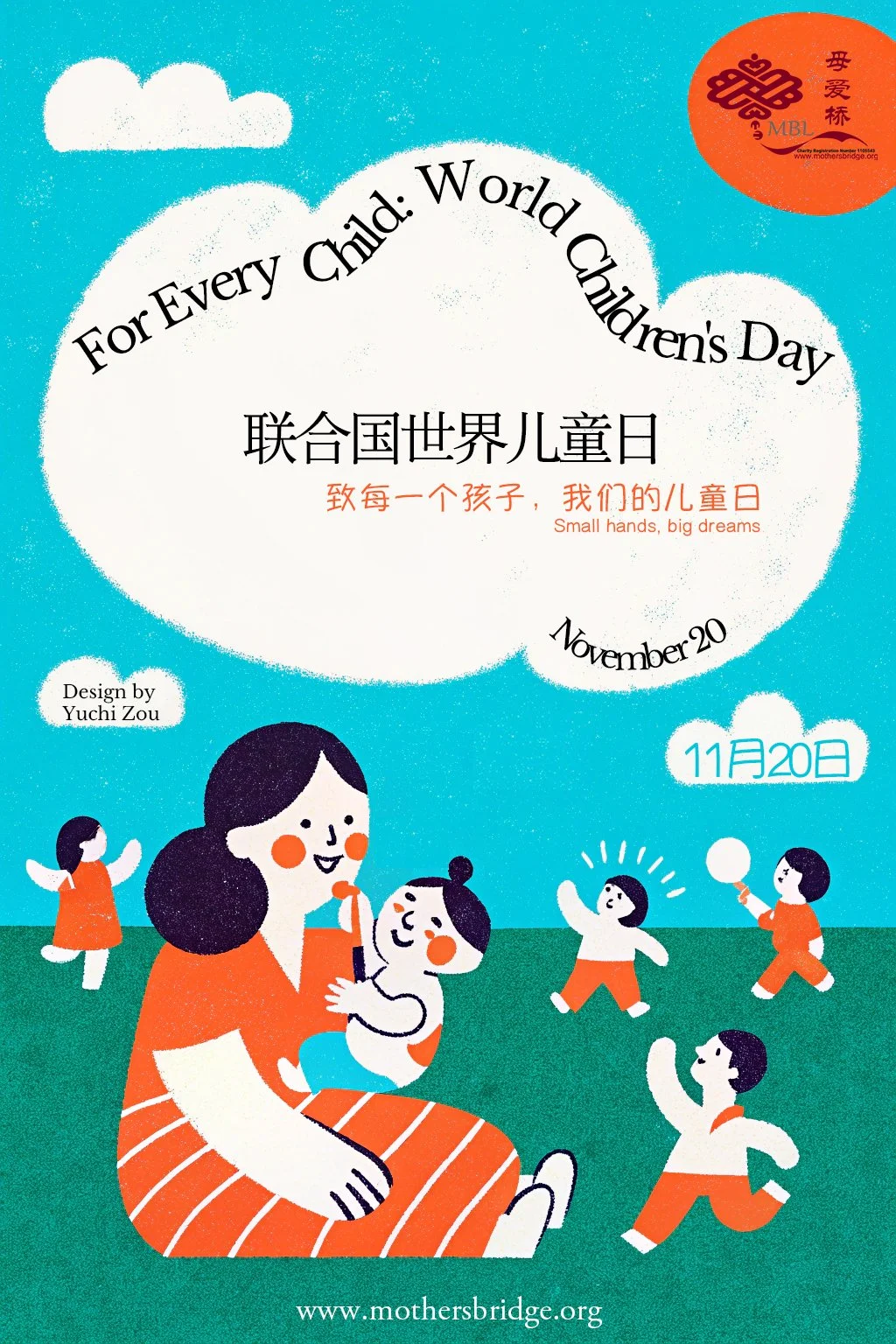
What would the world look like if children were given a greater voice in shaping it?
Perhaps it would be a world where no child fears war or hunger, where every child has access to education, and where differences in language, culture and family background are celebrated rather than judged. Perhaps what children wish for is something even simpler: a safe place to live, the freedom to be themselves, and adults who take their feelings seriously.
Celebrated annually on 20 November, United Nations World Children's Day marks two significant milestones in the history of children's rights: the adoption of the Declaration of the Rights of the Child in 1959 and the Convention on the Rights of the Child in 1989.
It is not simply a day to celebrate childhood. It is an opportunity to reflect on our collective responsibility to protect children's rights and create a world in which every child can thrive.
Beyond Love: Recognising Children's Rights
We often speak about the importance of loving and protecting children. Yet care also means recognising children as individuals with their own thoughts, feelings, identities and rights.
The UN Convention on the Rights of the Child establishes that every child, regardless of nationality, ethnicity, gender, language or family background, is entitled to fundamental rights. These include the right to education, protection from harm, the preservation of their identity, and the opportunity to express their views and have them taken seriously.
As adults, we spend considerable time thinking about what is best for children. But how often do we ask children themselves?
What matters to you? What are you worried about? What would you like us to understand?
Listening to children does not mean abandoning our responsibilities as adults. It means recognising that children have valuable perspectives on the decisions that affect their lives, and giving those perspectives due weight in accordance with their age and maturity.
Every Child Deserves to Know Their Own Story
At The Mothers' Bridge of Love (MBL), questions of identity, cultural heritage and belonging are particularly close to our hearts.
For children growing up across different countries and cultures, including those in transnational adoptive families, understanding their personal history and cultural roots can be an important part of developing a sense of self.
The desire to explore one's origins can take many forms and emerge at different stages of life. Some children may express curiosity about their birth families or country of origin, while others may not feel the same need. Their feelings may also change as they grow older.
What matters is that they have access to appropriate information, opportunities and support, without feeling pressured to follow a particular path.
Through our work with adoptees, families and communities, as well as our cultural and educational programmes, MBL seeks to foster greater understanding of these diverse experiences and encourage open, respectful conversations about identity and belonging.
Every child deserves the opportunity to understand where they come from and the freedom to shape who they become.
Building a Child-Friendly World Together
Around the world, millions of children continue to face conflict, poverty, displacement, discrimination and barriers to education. The circumstances into which a child is born should never determine the value placed on their life or the rights they are afforded.
While addressing these challenges requires collective action, each of us also has a part to play in our everyday lives.
We can listen more carefully to children, challenge prejudice, respect different family backgrounds and cultural identities, and support those whose circumstances make them particularly vulnerable.
A truly child-friendly world is not simply one that adults build for children. It is one in which children themselves are given meaningful opportunities to participate.
On this World Children's Day, The Mothers' Bridge of Love stands alongside families, volunteers, communities and organisations working towards a fairer, safer and more inclusive world for every child.
May every child grow up free from fear, with their rights protected, their individuality respected and their aspirations encouraged.
Children are not only the future of our world. They are equal and valued members of the world we share today. Their voices deserve to be heard, not someday, but now.