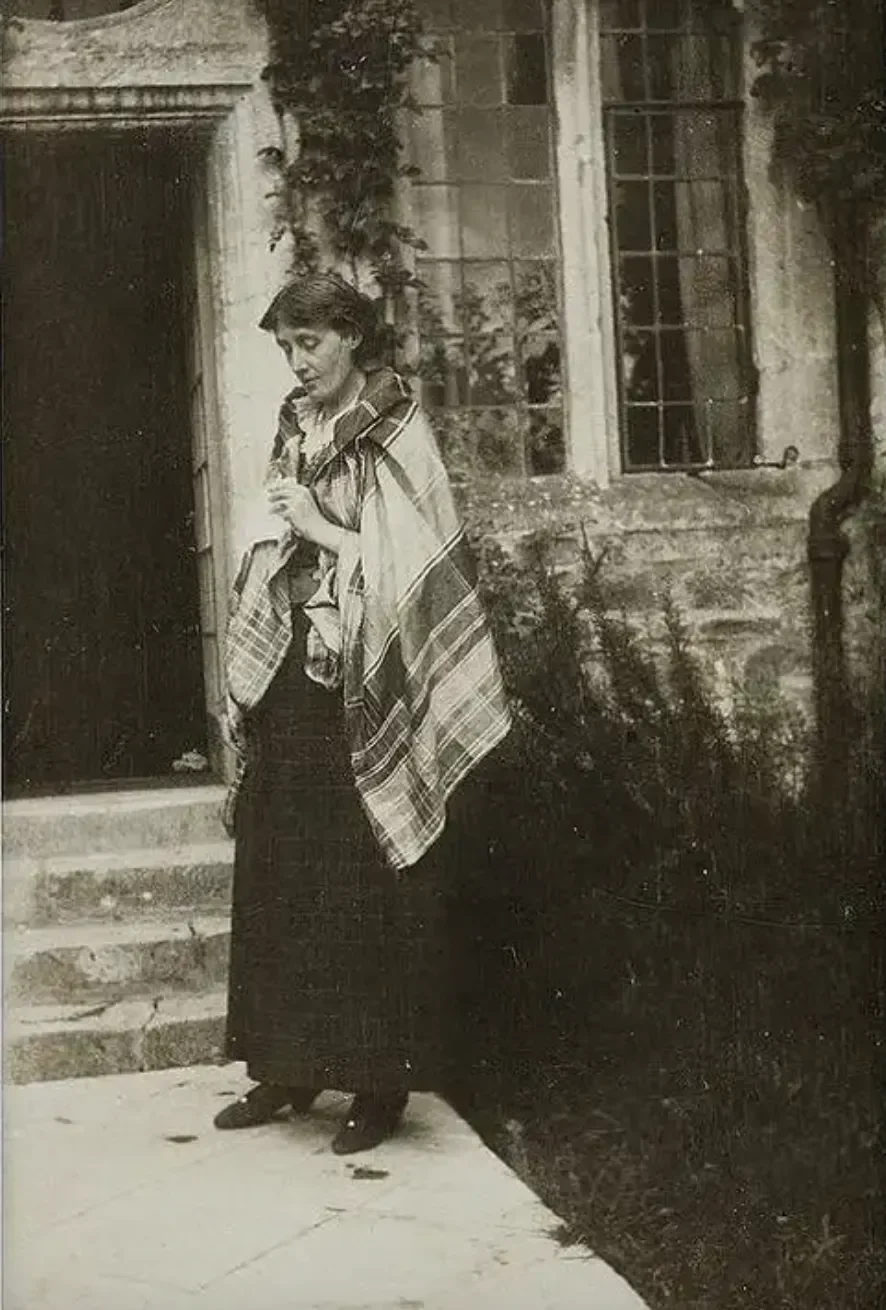
Remembering Woolf | A Life of Turmoil That Healed Countless Restless Minds
Originally posted in Chinese by the British Consulate General Chongqing
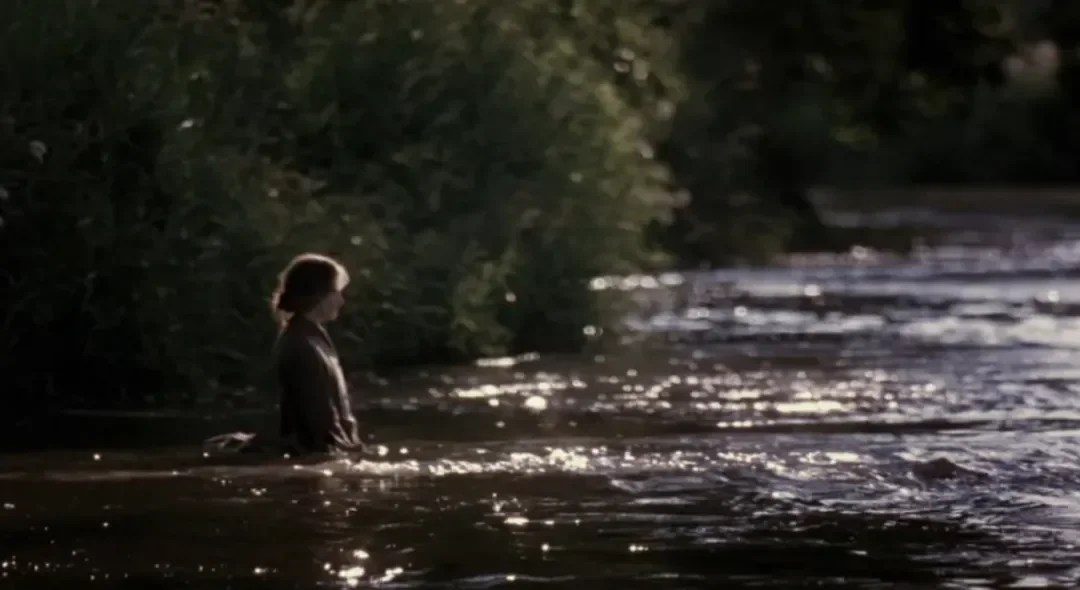
In the spring of 1941, five boys cycling along the riverbank discovered a body floating in the River Ouse. The woman was wearing a fur coat, and the watch on her wrist had stopped at 11:45.
She was Virginia Woolf, one of the most celebrated writers of the twentieth century. Often called the lily of England, she left the world in this quiet and devastating way.
The more one understands her life, the more comprehensible her ending becomes. Franz Kafka once wrote of her, “With one hand she fends off the blows of fate, while with the other she hurriedly writes down what is her own.”
Many readers first encounter Woolf through her famous line in A Room of One’s Own:
“A woman must have money and a room of her own if she is to write fiction.”
A century ago, this sentence landed like a thunderclap.
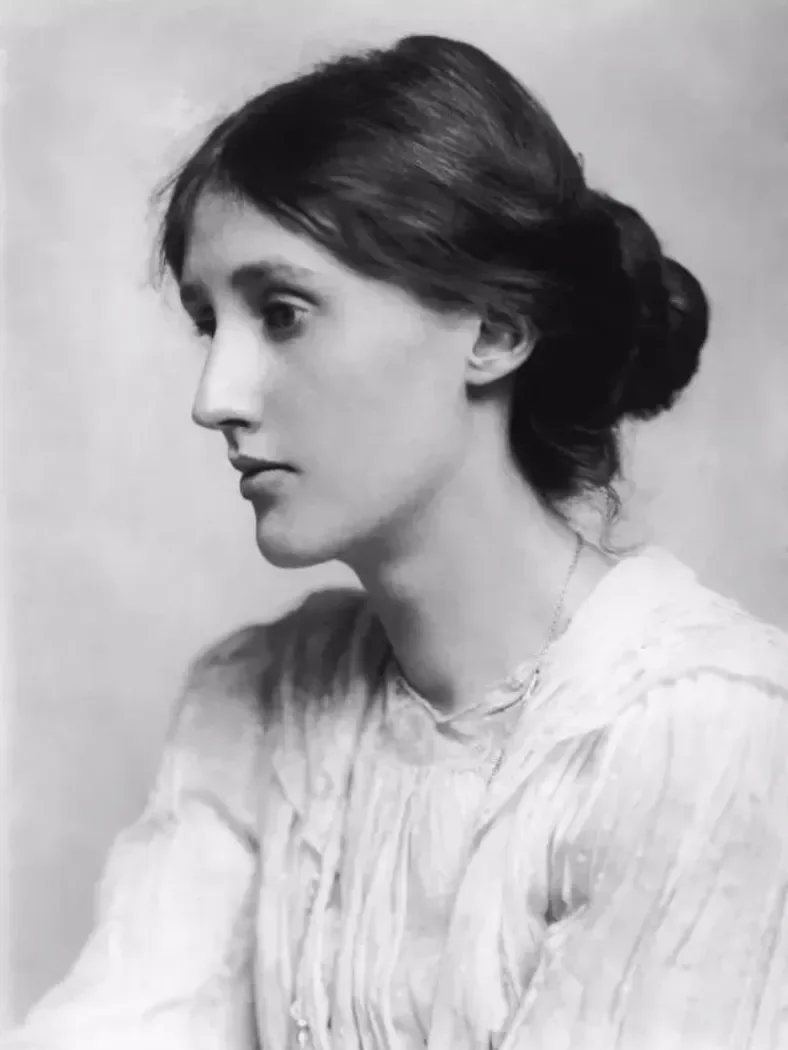
The 25th of this month marked the 144th anniversary of Woolf’s birth, prompting a new wave of remembrance around the world. Across the UK, community events, seminars, and lectures were held. Social media filled with quotations, photographs, and reflections. This writer, once labelled “the most divided genius”, continues to soothe the inner struggles of millions today.
1. The Birth of Genius, with Shadows Close Behind
On 25 January 1882, cries of a newborn echoed through 22 Hyde Park Gate in London. A baby girl entered the world, named Adeline Virginia Stephen.
Her background was remarkable. Her father was a critic, scholar, and biographer. Her mother had once been an artist’s model. Beauty and intellect ran through the family, and young Virginia inherited her father’s sharp mind and literary talent, as well as her mother’s unforgettable appearance.
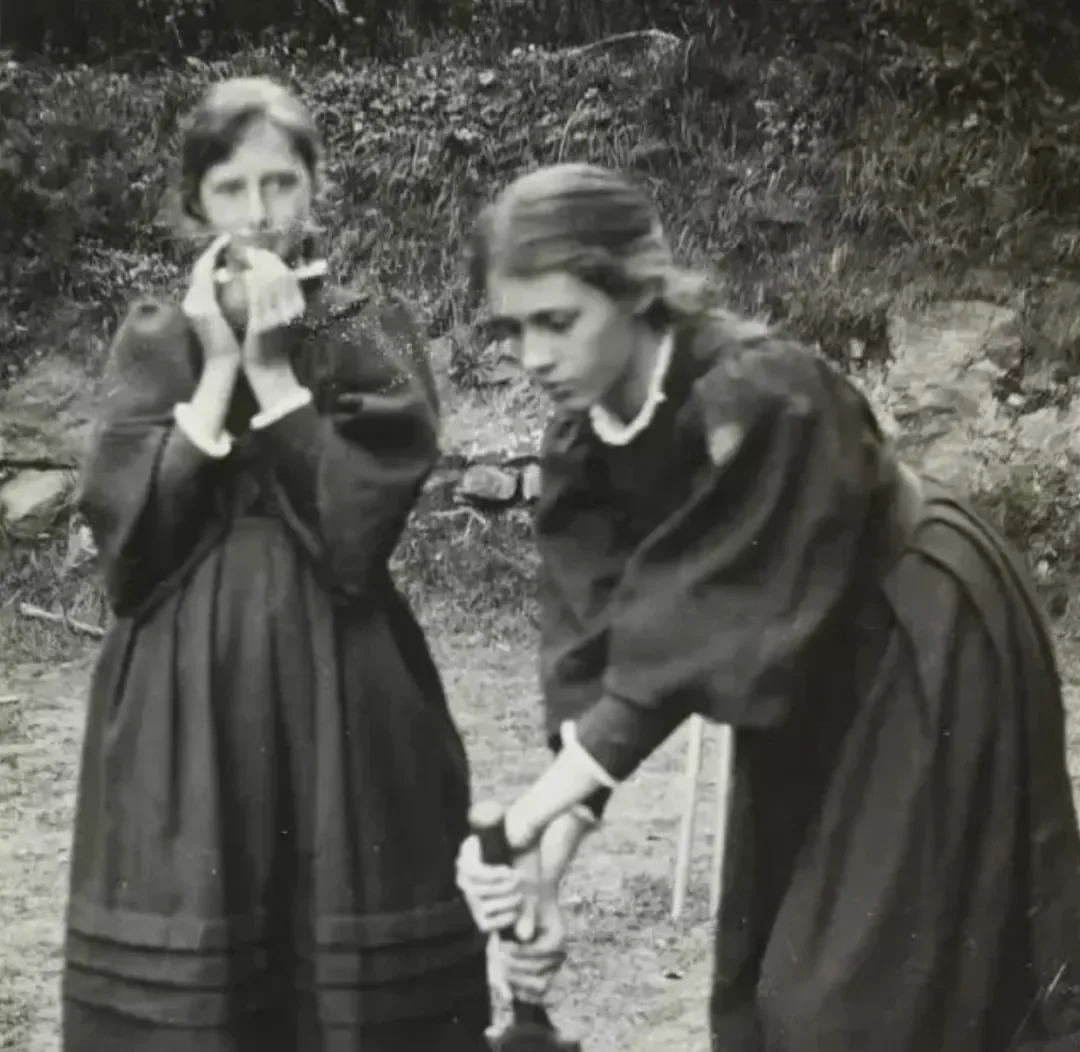
Her father was highly sociable, and the family home often felt like a literary salon. Poets, writers, and scholars gathered there on weekends. Immersed in this atmosphere, Virginia absorbed its nourishment quietly, laying the foundations for her distinctive voice.
Because of conservative views at the time, Virginia never attended school. Fortunately, her home contained a small library, which became a treasure trove for the book-loving child. Without stepping outside, she had endless worlds to explore.
She spent most of her time buried in books, reading Shakespeare and Plato, Spinoza and Hume, and roaming the literary universe from an early age.
At nine, Virginia and her siblings created a family magazine called The Hyde Park Gate News. Despite its private circulation, most of the writing came from Virginia herself.
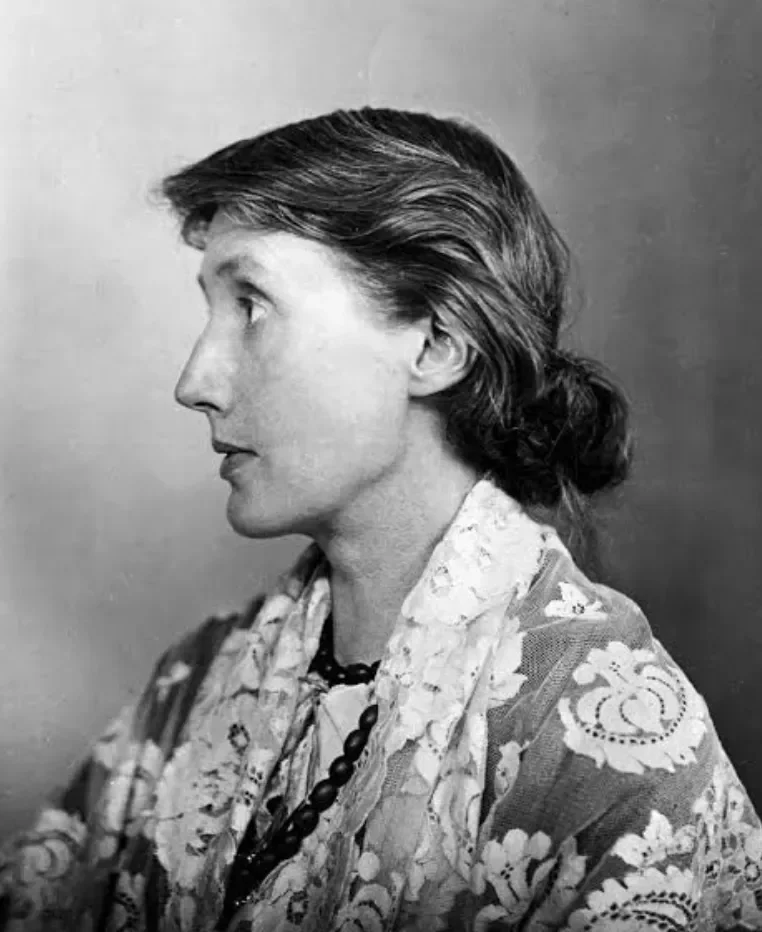
The household, however, was a large blended family, lively yet complicated. Her father brought one daughter from his first marriage. Her mother had three children from her previous marriage. Together, they had four more, including Virginia. Eight children under one roof inevitably meant tension and conflict.
Later biographies suggest that Virginia’s adult mental struggles were closely linked to her relationship with her half-brothers. One of them sexually abused her, though the young Virginia could not fully understand what was happening.
In 1895, her mother died. The family’s balance collapsed overnight. Without her mother’s gentle mediation, her father became increasingly irritable, and her brother’s behaviour grew more unchecked. At thirteen, Virginia lost her sense of safety almost instantly. Her emotions swung violently, and she suffered her first mental breakdown.
After her mother’s death, her sister Stella took on the responsibility of running the household. When Stella married and became pregnant, the family eagerly awaited new life. Instead, Stella died suddenly.
Tragedy followed tragedy. Soon after, Virginia’s father passed away as well. This final blow crushed her completely. One dark day, she opened a window and jumped.
2. Entering the Literary World, and Finding a Companion
Virginia was subsequently admitted to a psychiatric institution. Her condition worsened there. She began to experience hallucinations and saw deceased relatives speaking to her.
Sitting day after day by her hospital bed, she reflected on the injustices around her. Why could her brothers attend university while she was confined to the home? Why was she the one locked away when her brother was the wrongdoer? Why were women burdened with such unfairness, and why did no one question it?
These questions accumulated like rolling snowballs. Though answers remained elusive, the seeds of rebellion quietly took root.
As her health improved, Virginia moved to Brunswick Square and joined a small intellectual circle known as the Bloomsbury Group. Many of its members were Cambridge graduates. Weekly gatherings allowed her to discuss literature and art, encounter new ideas, and explore feminist thought. Gradually, one conviction emerged. She would become a writer.
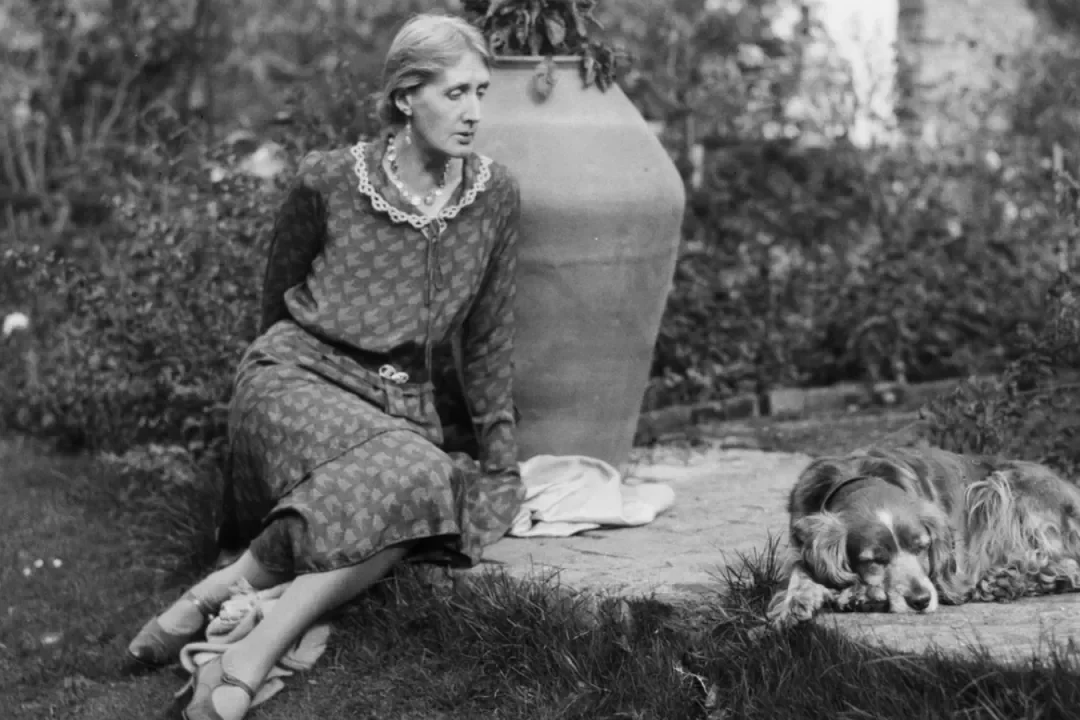
In the latter half of 1904, at the age of twenty-two, Virginia submitted a piece to The Guardian’s women’s section. A few months later, her first unsigned book review was published.
She later studied history and linguistics to further her education. From February 1905 onwards, she began writing book reviews for The Times Literary Supplement. This work continued for much of her life and provided a stable income.
In 1911, a man named Leonard Woolf moved into the same square and became her neighbour. He was drawn to her almost immediately, and they found themselves deeply in tune.
In May 1912, Leonard proposed. In his letter, he wrote that they loved the same things and the same people, that both were talented, and that most importantly they shared a deep understanding of what felt true and essential to them.
Virginia hesitated. Would marriage truly make life better? She was filled with doubts. After honest conversations, they decided to try.
In August 1912, they held a simple wedding. From that point on, Virginia Stephen became Virginia Woolf.
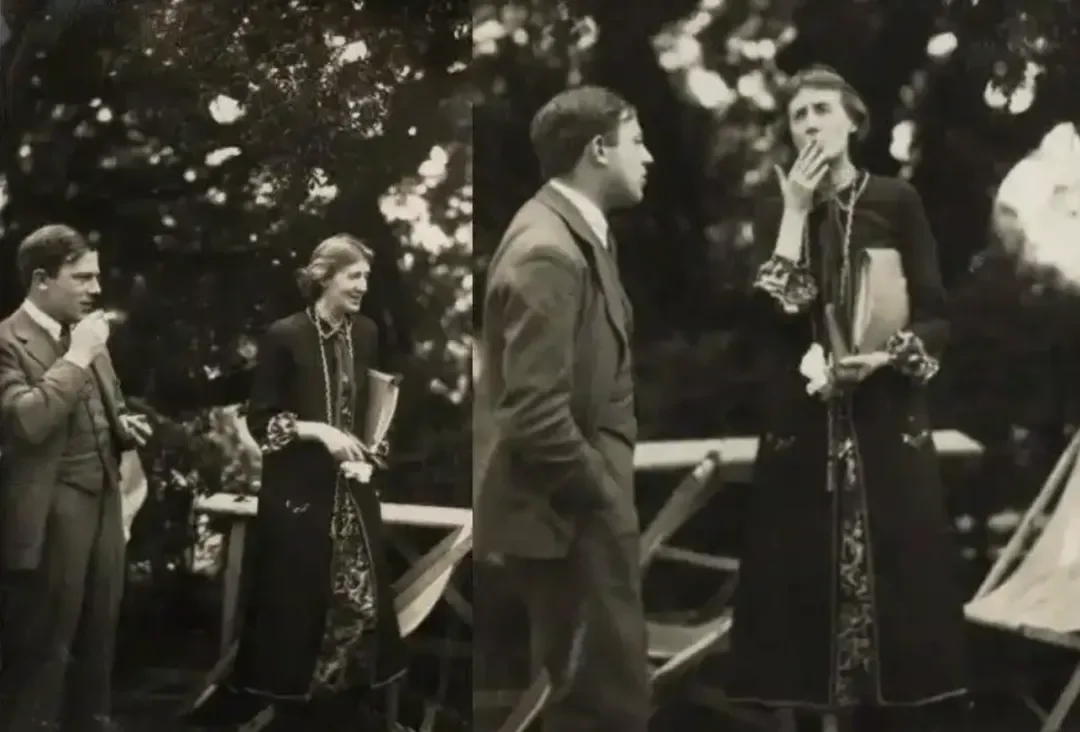
Shadows from her childhood made her wary of physical intimacy. Leonard fully respected her boundaries, and the couple maintained a largely sexless marriage for nearly thirty years.
Their bond was primarily intellectual and emotional. During Virginia’s episodes of illness, Leonard cared for her attentively, accompanying her through treatment and protecting her fragile, extraordinary talent.
Years later, Leonard spoke candidly. He believed that his wife’s genius was inseparable from her mental instability. Such creative imagination, he said, could never belong to an ordinary mind.
3. Confined by Illness, Roaming Through Words
Between episodes of illness, Virginia wrote relentlessly.
In works such as Mrs Dalloway and The Mark on the Wall, she focused on interior monologue and the flow of thought, abandoning traditional narrative structures almost entirely.
The Waves revealed her complex understanding of life and death. Life’s journey, she suggested, is governed by the certainty of extinction. The latter half of existence confronts us with an overwhelming challenge: finding meaning in continuing to live.
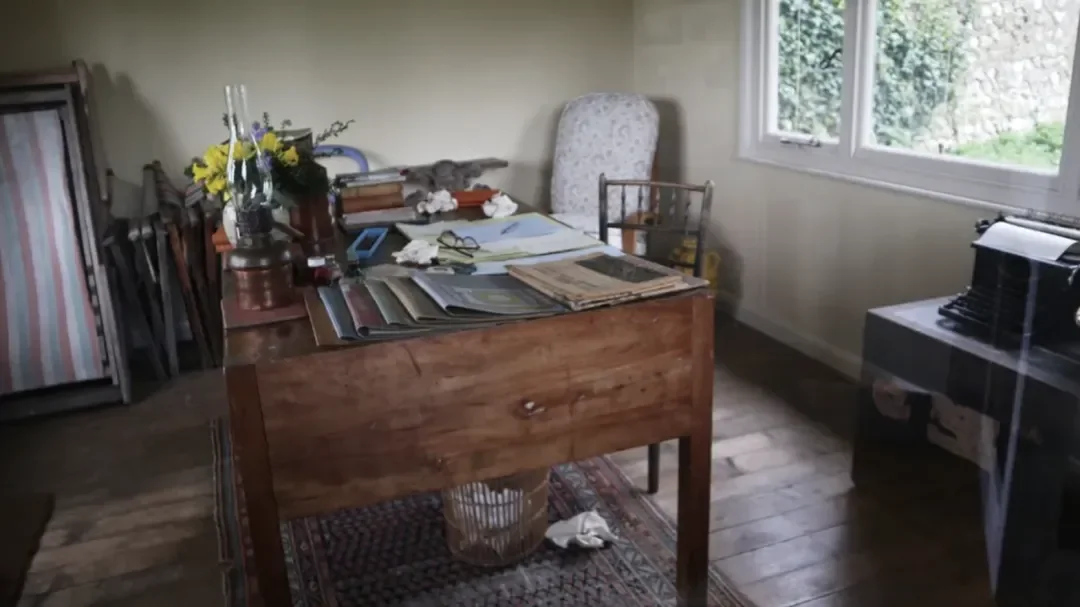
In A Room of One’s Own, she spoke for women who had been silenced. She urged women to broaden their life experience, not to confine themselves to domestic or emotional worlds, and to engage with society at large in order to write well.
“No matter the means,” she wrote, “I hope you will exhaust every possibility to secure true freedom of the mind.”
She even sent books to Ling Shuhua in China, encouraging her to keep reading and writing.
Virginia never considered herself a “woman writer”. She was not interested in setting genders against each other, but in breaking stereotypes so that both men and women could develop freely and healthily.
In her bold and unconventional novel Orlando, she created an androgynous protagonist who shifts between male and female. As a man, Orlando is brave and fearless. As a woman, she is graceful and perceptive.
The poet Coleridge once said that great minds are androgynous. Gender is not a label. Men can be as sensitive as women, and women as resilient as men. Personality should never be confined by gender. This belief is reaffirmed again and again in Woolf’s writing.
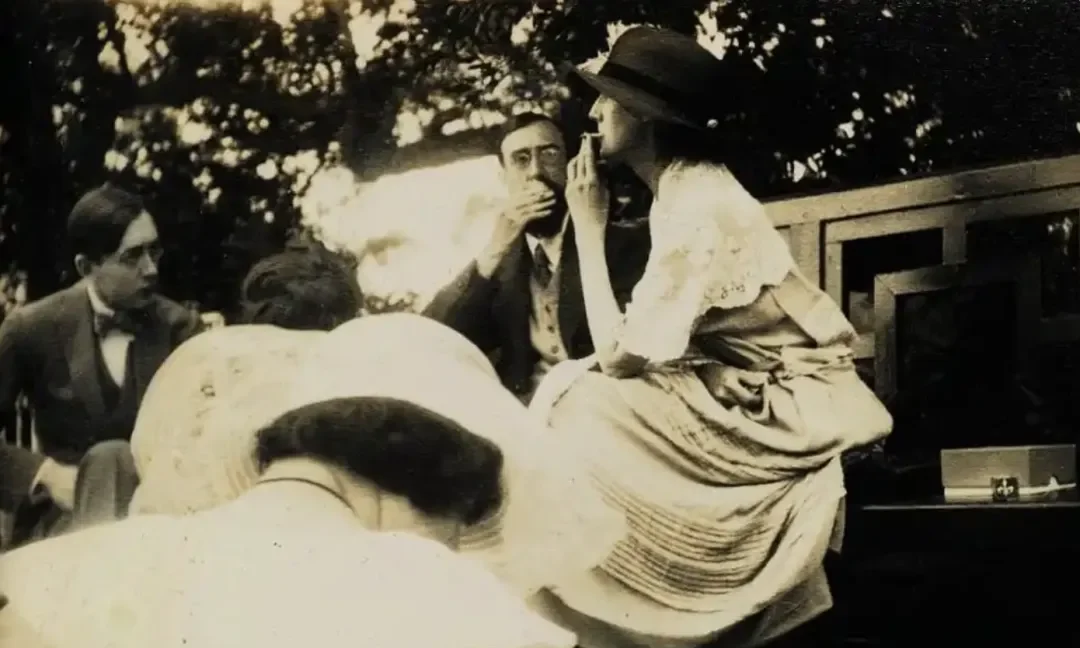
She observed constantly and reflected deeply, desperate to seize every moment. Yet her mental illness never loosened its grip.
Again and again, she felt herself losing control. She suffered ringing in her ears, an inability to focus, and hovered on the edge of collapse.
On 28 March 1941, Virginia decided to end her life. She left a letter for Leonard, filled her coat pockets with stones, and walked into the River Ouse.
In her final letter, she wrote:
“If I could have saved you, I would have. I can’t go on spoiling your life any longer. Please always remember our life together, remember those years, remember our love.”
A month earlier, she had already attempted suicide once. That day, she returned home soaked, telling Leonard she had slipped into a ditch. He did not press her. Her farewell letter had already been written.
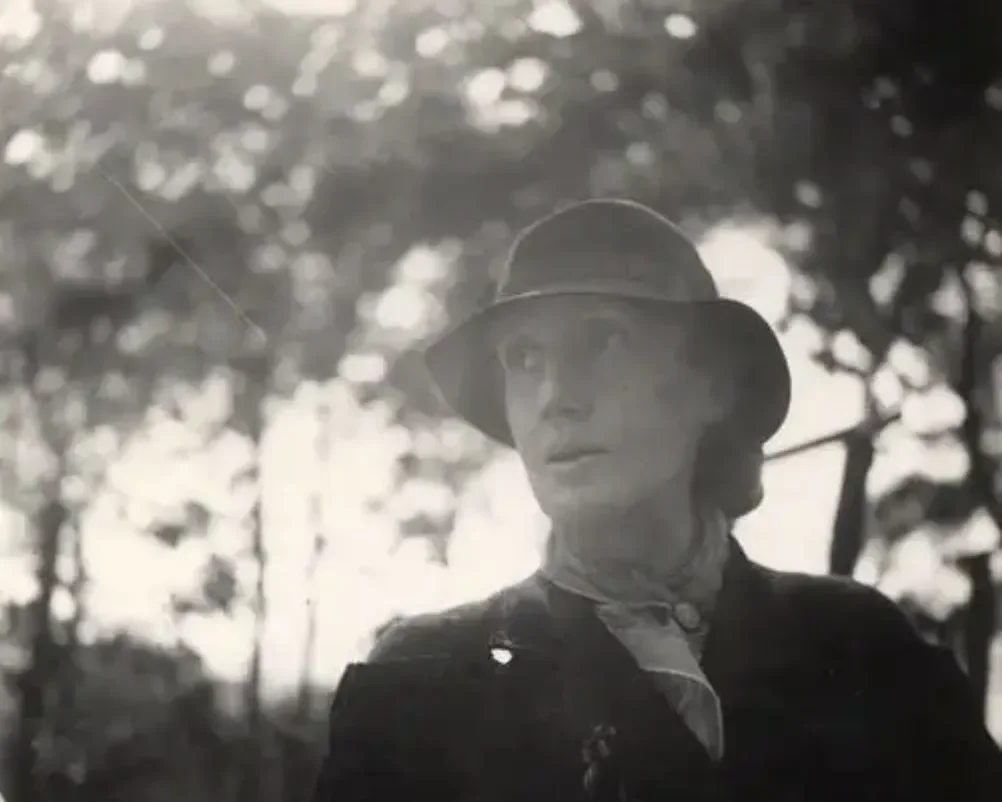
She is one of those rare writers whose readers grow more numerous as time passes. In a world where people are endlessly busy and often reduced to supporting roles in others’ lives, she struggled to live as herself.
If you find reality suffocating, she would tell you to claim a room of your own.
If you feel trapped by labels imposed by others, she would remind you that other people’s opinions are our prisons.
If you blame yourself for not being perfect, she would say that the idea of perfection is nothing more than a social illusion.
May we all, like her, think freely, wander unrestrained, and embrace the vast possibilities of life.