
Adornments and the Stories of a Lifetime | Cultural Memory in “China Adorned”
How much can a silver lock, a string of beads or an intricately embroidered headdress tell us about a person’s life?
They may carry a parent’s blessing for a newborn, mark a girl’s coming of age, accompany a wedding, or embody the emotions surrounding death and farewell.
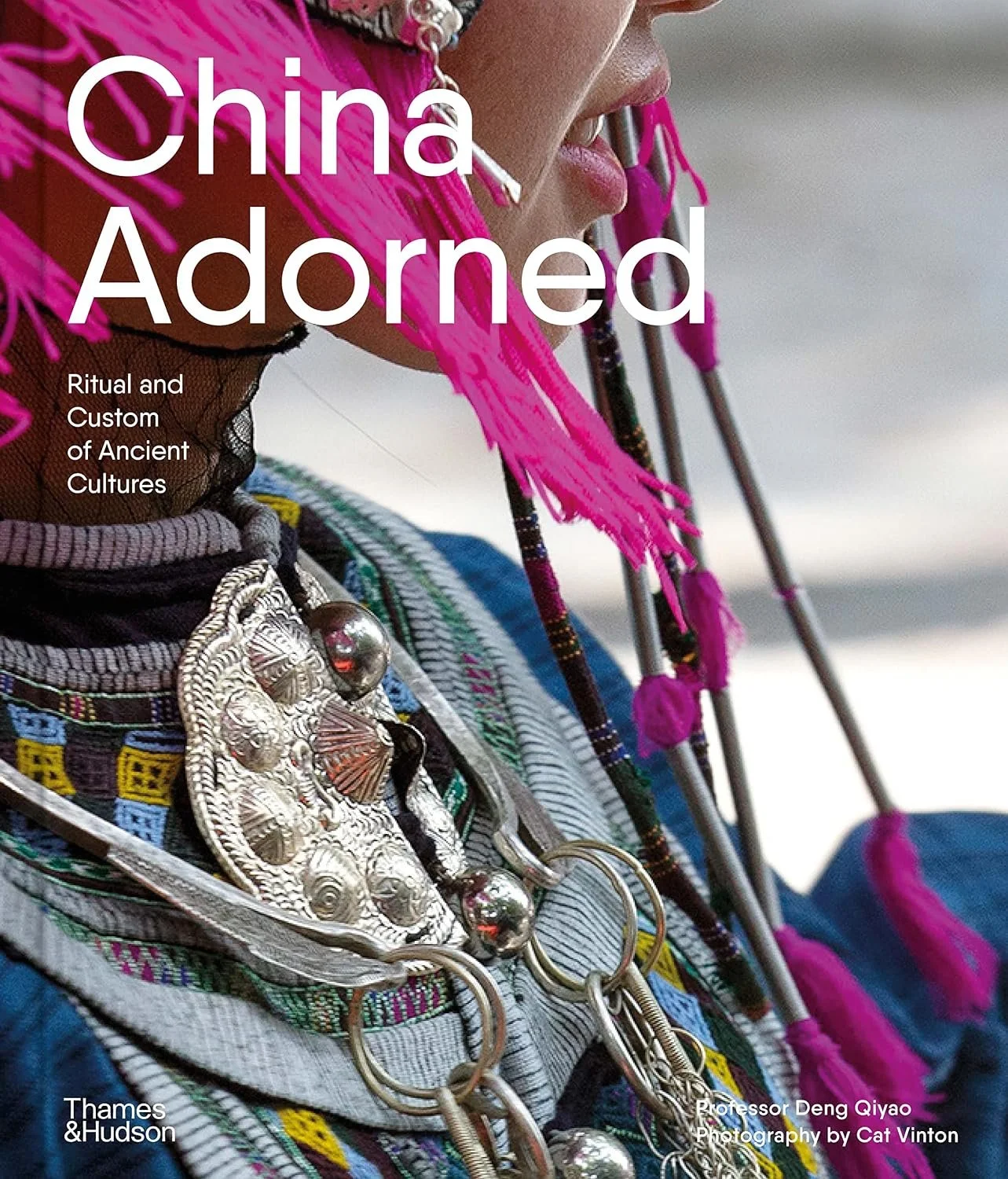
In China Adorned: Ritual and Custom of Ancient Cultures, adornment is never simply decorative. Through clothing, jewellery, embroidery and ceremonial objects, the book reveals how material traditions accompany people through different stages of life, preserving memories of family, belief, identity and home.
More Than Thirty Years Exploring the Lives Behind the Adornments
Deng Qiyao’s fascination with China’s diverse ethnic cultures dates back to his youth.
In the 1970s, he went to live near the China–Myanmar border in Yunnan. There, he encountered at close quarters the rich clothing and adornment traditions of communities including the Dai, Jingpo and Achang peoples. Their different materials, colours, patterns and ways of wearing ornaments led him to realise that dress is not merely a matter of aesthetics. It is also a cultural language that can be “read”.
He subsequently embarked on research in ethnology and folklore. Over more than three decades, he travelled extensively through ethnic minority regions across southern, western and northern China, conducting fieldwork, interviews and photographic documentation.
This remarkable body of research became the foundation of China Adorned.
Following the course of human life, from birth and coming of age to marriage and funeral rites, the book explores the customs, beliefs and stories embodied in the adornments of different communities.
Why might a silver lock be placed around a baby’s neck?
What does a young woman’s headdress signify when she comes of age?
What hopes and blessings are expressed through the elaborate silver ornaments worn at a wedding?
And when someone dies, what memories and beliefs can their clothing and adornments preserve for those left behind?
Placed within the context of real lives, these objects become much more than beautiful examples of craftsmanship. They reveal enduring connections between individuals and their families, their homelands and their ancestors.
Two Generations of Images, a Dialogue Across Time
One of the book’s particular treasures is its wealth of photographic documentation.
Over the course of his research, Deng Qiyao took hundreds of black-and-white photographs. Many years later, British anthropological photographer Cat Vinton travelled to some of the same regions, documenting their people, clothing and surroundings through contemporary photography.
Together, the images create a remarkable dialogue across time: black-and-white field photographs taken decades ago sit alongside colour photographs of life today.
Time has transformed villages and changed the ways in which people live. Yet certain patterns, crafts, customs and memories continue in different forms. Others are gradually disappearing.
That is precisely what makes documenting them so important.
From China’s Villages to Readers Around the World
China Adorned also carries with it an extraordinary international publishing story.
The project grew out of Deng Qiyao’s decades of research and was developed with the involvement of writer Xinran and her husband, the renowned British literary agent Toby Eady.
Their hope was that the cultures, stories and images they had encountered would not remain solely within the realm of academic research, but could reach readers around the world.
During the development of the project, however, Toby Eady died following an illness in 2017. Xinran continued the work to which they had both devoted many years.
Their vision eventually came to fruition in 2022, when China Adorned: Ritual and Custom of Ancient Cultures was published by international art publisher Thames & Hudson.
Bringing together more than three decades of Deng Qiyao’s research and historical photography with Cat Vinton’s contemporary images, the book contains nearly 700 photographs documenting the clothing, adornments, rituals and everyday lives of more than 30 ethnic groups in China.
The story then took another turn.
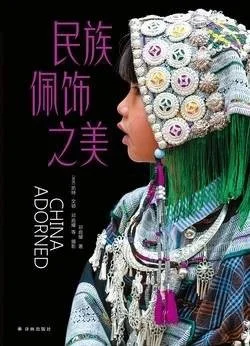
In January 2026, the book was published in China by Yilin Press under the Chinese title 《民族佩饰之美》.
There is something particularly fitting about this journey. A project rooted in decades of fieldwork in China travelled across languages and borders, took shape through collaboration between people from different cultural backgrounds, reached an international readership in English, and eventually returned to Chinese readers in a new edition.
The journey of the book itself has become a story of cultural exchange.
What Is Preserved Is More Than an Adornment
Looking through these photographs today, what moves us most may not be simply the delicacy of the silverwork, the intricacy of the embroidery or the extraordinary colours of traditional dress.
What these objects truly preserve are people and their lives.
A protective ornament placed on a child by a mother. A headdress worn by a girl as she comes of age. A family’s blessings expressed through wedding jewellery. A treasured object kept in memory of someone who is no longer here.
Culture sometimes lives within sweeping narratives of history. At other times, it is held quietly in a single stitch, a bead or a piece of silver.
Only when these traditions are documented, their stories told and their significance rediscovered by another generation can the memories they carry continue to live on.
This is perhaps one of the most powerful messages of China Adorned: to recognise difference and seek to understand it; to cherish cultural heritage while allowing stories to travel beyond languages and borders, and to be encountered by people elsewhere in the world.
Perhaps even the smallest adornment can become a bridge between people, and between cultures.
Click here to watch the video about China Adourned.
Click here to purchase China Adorned: Ritual and Custom of Ancient Cultures.