
Written by: Cao Tingting | 曹婷婷
Translated by: Yao Gong
Editor’s Note:
This article is excerpted from Haha! Britain — a charitable bilingual publication co-produced by The Mothers’ Bridge of Love (MBL) and River Cam Breeze. The book is a lively collaboration between 42 Chinese authors living in the UK and 36 university-based volunteer translators. With wit and warmth, the stories capture the everyday realities of Chinese communities in Britain, offering an honest look at the cultural clashes, humour, and adaptation that arise in the space between Chinese and British ways of life. Haha! Britain has been warmly endorsed by several well-known figures in UK-China relations, including Stephen Perry (former Chairman of the 48 Group Club), Luise Schäfer OBE (former British diplomat and Chamber of Commerce chair), Professor Hugo De Burgh (former BBC editor and academic), and British scholar Martin Jacques. The book’s title was handwritten by celebrated British-Chinese artist Qu Leilei, its cover illustrated by bestselling Chinese author and poet Feng Tang, and the postscript contributed by Xue Mo, a prominent voice in contemporary Chinese literature.
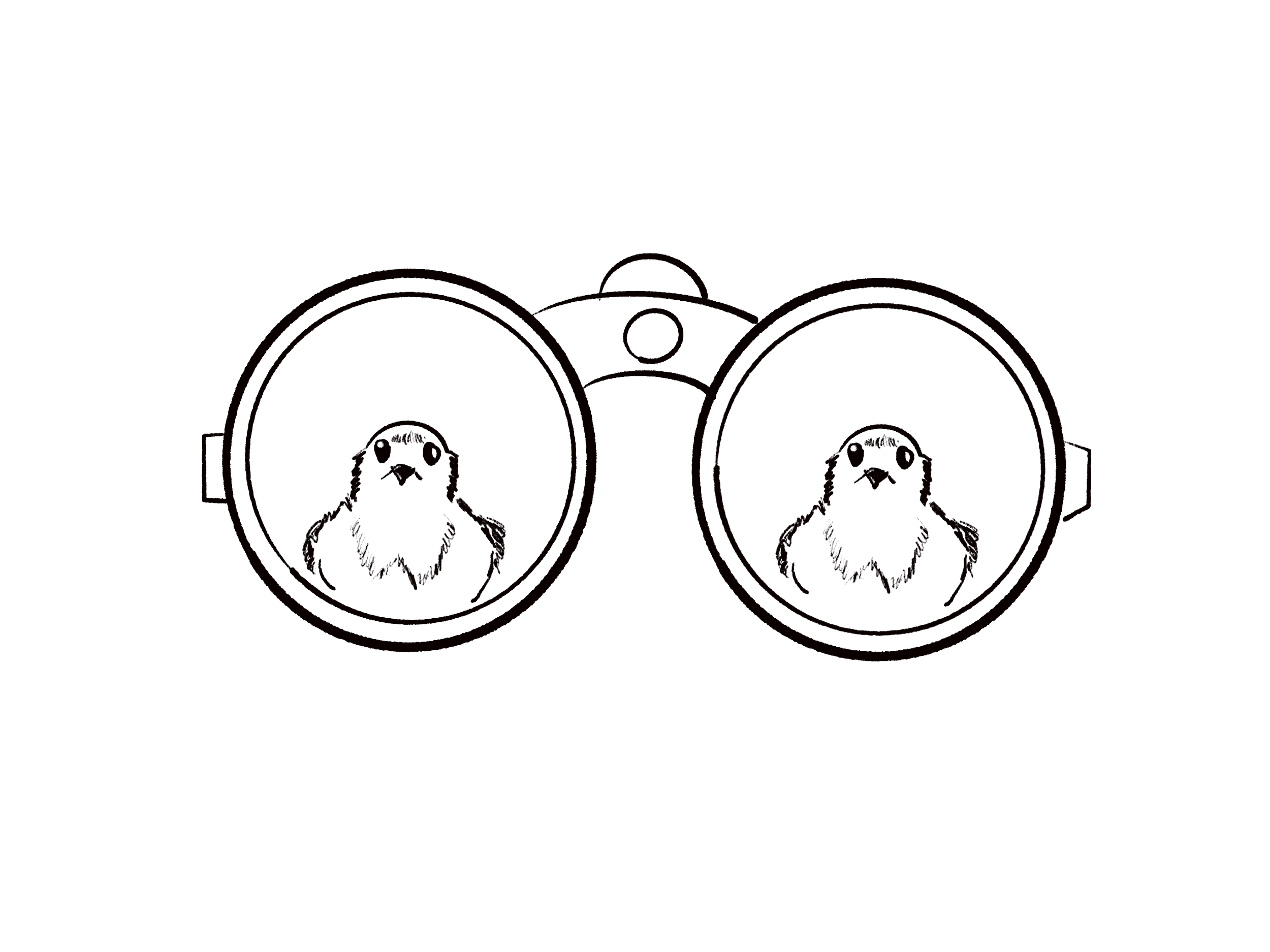
Illustrated by Tian Tian
Standing in the corner of the courtyard, half raising my head and staring at the pale blue sky, I tried to keep as still as possible. Birds have such a keen sense of sight that they must have already been aware of my presence, but they were too preoccupied to care A fierce battle between two blackbirds and a sparrowhawk was raging on in mid-air, with both sides dashing high and low. I watched, breathless and completely mesmerised by the spectacle.
I was not sure which side would win. The female sparrowhawk knew the neighborhood well. The other day, she was seen perching quietly on a nearby fence, a small, already lifeless, purple-winged starling clutched in her sharp talons. The moment she took off into the sky, a light greyish-brown feather with cinnamon edges was left in her wake. Out of nowhere, an adult starling with purple wings darted down and cried out mournfully at the feather. She had just lost her baby.
The sparrowhawk reappeared the following day, but this time it encountered joint resistance by two female blackbirds committed to protecting their nestlings. They didn’t have the strength to fight with the female sparrowhawk alone, so they flew in a circle around it, up and down, left and right, risking their lives. They managed to peck the sparrowhawk on its front and rear. Overwhelmed, it finally stumbled from the air and staggered along the ground It stretched its wings to regain its composure, then rushed back up into the air and flew away.
Several years ago when I first came to England, I visited a senior physics professor. He solemnly told me that birdwatching had been his lifelong hobby. I was puzzled. In my very limited understanding of birdwatching, I thought it was something that should be conducted by professionals. Can bird-spotting on a casual stroll merit serious discussion? Indeed it can.
The origins of birdwatching can be traced back to the scientific study of birds in the 18th century. At that time, the wealthy hunted birds to make specimens for their collections. As the study of the natural history of birds progressed, however, the practice of killing birds was under scrutiny. In the late 18th century, the English naturalist Gilbert White began observing birds in their natural habitats and recording their behaviours. His book, The Natural History of Selborne, is considered a classic in the field of ornithology. British ornithologist Edmund Selous coined the term “bird-watching” and contributed to popularising the practice of observing birds in their natural habitats. By the 20th century, birdwatching had become a widespread hobby.
The UK is not only the birthplace of birdwatching, but it is a hobby that is encouraged and benefits from many active communities. There are suitable birdwatching activities for everyone from veteran birdwatchers to beginners.
And so, I began paying more mind to birds. I discovered and entirely new world of crows pecking at the sacrifices left at temples and pigeons roaming the traditional old Chinese alleyways known as hutongs – Those birds, once animated by Chinese poets for centuries, have now flown into my world in a foreign land. When travelling home to visit my family, I discovered “new” birds in familiar parks from time to time. It was only when I looked them up that I realised that they had been living in this area all along; I just hadn’t paid attention to them before.
With a history of more than 100 years, the Royal Society for the Protection of Birds (RSPB) is one of the world’s largest wildlife conservation organisations. It has branched out into many local groups, encompassing and maintaining over two hundred nature reserves. In order to cultivate an awareness of the protection of birds and respect for nature, the RSPB has organised the Big Garden Birdwatch every January. During this event, people from all corners of the country are encouraged to birdwatch and register their sightings in a centralised database. The result is Britain’s largest garden wildlife survey, which attracts close to a million people each year. The data collected on the distribution of bird populations, ecological changes and migration timing patterns also helps scientists and ornithologists understand the impact of human activity and climate change on birds and their habitats.
This event always receives extensive coverage from the media. As I witnessed the great enthusiasm for it, I had an epiphany. The British have produced some of the best nature documentaries in the world. This is all the result of generous financial investment, years of experience, cutting- edge equipment and an undying love for nature. Sir David Attenborough, the world-renowned father of nature documentaries, has shown a deep curiosity for nature since childhood. His family and community encouraged him to explore the wonders of natural life with an undiminished passion. I hope that some of Britain’s young birdwatchers will follow in his footsteps and continue to document the awe-inspiring world above us.

About the author
Cao Tingting, an electronic engineer now living in Cambridge, UK, is the head of The Arts Society Cambridge, a member of the European Immigrant Chinese Writers’ Association and the art director of European Immigrant Chinese Poets. Her essays, poems, and commentaries can be seen in Chinese Monthly, Women Too, River Cam Breeze, Chinese Poetry Garden, and other literary magazines. She has published the collection A New and Colorful Scroll, Floating Clouds, Where the Heart Lies, among others.
我站在院子的角落,半仰着头,盯着淡蓝色的天空,尽量把自己缩在几棵细竹子旁边不动。实际上鸟儿们视觉如此敏锐,肯定早已看到我了,可它们现在完全无暇顾及我。这场黑鸟与雀鹰的三对一的大战正忽高忽低地在半空中激烈地进行。我几乎屏息凝神地在旁观。
不确定哪方会赢。这只雌雀鹰最近一直在附近猎捕雏鸟。前几天看到它静静地站在附近篱笆上稍事休息,锋利的爪子紧紧地抓着一只已经毫无生气的小紫翅椋鸟。腾空的瞬间,一根浅灰褐有肉桂色边缘的羽毛慢慢飘落了下来。突然不知哪里出来的一只大紫翅椋鸟一掠而下,对着羽毛大声啼叫,急切凄厉,没了平时那种清脆婉转。
今天它又来了,不过这次遇到了黑鸟妈妈们联合奋起抗敌。本身就是猎物的它们没有正面和雌雀鹰单打独斗的实力,于是大致围了个圈,上上下下,左左右右,冒着风险一次又一次靠近雀鹰,去啄它的翅膀。面对这样拼老命的打法,雀鹰腹背受敌,疲于应付,终于很狼狈地从空中栽了下来,趔趄着在地上站稳,平静地伸展了几下翅膀,看起来没有受伤,定了定神,又重新冲上半空,迅速飞走了。翅膀是鸟儿的生命,雀鹰必须珍惜,但它没时间耽搁。说到底,毕竟它的鸟巢里也同样有几张时刻饥饿的乞食的嘴在等着。
春天柔和的阳光照在身上暖洋洋的,有点儿风,隐隐夹着青草的气味儿,前方灌木丛的嫩绿叶子中传出麻雀叽叽喳喳的鸣叫声。不过我看得太专注了,在战斗结束之后,长长地呼出一口气才恢复了对周围世界的各种感知,注意到这些细节。
若干年前初来乍到,拜访了一位物理学老教授。他郑重其事地告诉我,他一辈子的爱好是观鸟。我不由地有些疑惑。因为以 我当时非常有限的理解,户外野生鸟类观察应该是专业人员做的 研究。一般人溜达着看鸟也值得这么谈论吗?于是乎心里感叹英国人会这么重视人人都能参与的业余爱好。后来才知道,在英国, “观鸟”的确有资格作为一种可以在正式场合用认真的语气来谈论的大事。
观鸟的起源可以追溯到 18 世纪对鸟类的科学研究。当时有钱人会捕猎和收集鸟类,制作成标本作为他们的个人收藏。然而随着对鸟类自然史的研究越来越深入,杀死鸟类的做法受到质疑,不再受欢迎。18 世纪末英国博物学家吉尔伯特·怀特开始观察鸟类的自然栖息地并记录它们的行为。他的《塞尔伯恩自然史》一书被认为是鸟类学领域的经典之作。英国鸟类学家埃德蒙·塞卢斯创造了“观鸟者”一词,并帮助普及了在自然栖息地观察鸟类的做法。到了 20 世纪,随着对鸟类的研究越来越流行,观鸟逐渐成为一种广泛的爱好。
英国不仅是观鸟活动的发源地,而且有着比较健全的活动体系。对于非专业人士,无论是有丰富经验的长期资深观鸟爱好者,还是刚入门的初级小白,都能找到合适的观鸟活动。
好奇心使然,我也开始留意起这些精灵。发现那些社鼓神鸦、胡同上空的鸽、王谢堂前燕、知水暖江鸭到了欧洲也换了马甲,外貌习性或多或少有点儿区别。至于那些虽然名字里带着欧亚两个字,可在北方城市里长大的我从来没见过的鸟就更多了。近些年回家乡探亲,时不时看到熟悉的公园里出现了一些“新的”鸟类,经过查查找找,才知道这些鸟类一直生活在这个地区,是我才睁开眼看见它们。当然国内也有越来越多类似的观鸟活动,并且发展势头很好。
有一百多年历史的英国皇家鸟类保护协会(RSPB)是世界上最大的野生动物保护组织之一。协会有许多地方团体,维护二百多个自然保护区。为了培养人们爱护鸟类,尊重自然的意识,提高对保护工作重要性的认识,自 1979 年开始,在 1 月的最后一个周末,RSPB 会组织花园观鸟活动,号召人们无论是身处城市还是乡村,公园或自家小院,都来观察鸟类的活动,统计鸟的品种与数量,并把结果上传到指定网站。这是英国最大的花园野生动物调查,每年吸引接近一百万人参与。收集到的有关鸟类种群分布、生态变化和迁徙时间模式的数据,也可以帮助科学家和鸟类学家了解人类活动或者气候变化对鸟类及其栖息地的影响。
每每到了这个时候各种媒体都大力宣传,很多人尤其是孩子们表现得特别的积极热情。我看着听着,进而想到英国可以持续制作出内容丰富独特,画面质量优美精良关于自然的节目。其中有很多因素,比如资金的投入,长期积累的经验,前沿的技术设备,良好的商业运作,最主要的是发自内心的对自然的热爱。享誉世界的自然纪录片之父大卫·爱登堡爵士从童年开始对自然、对生命充满好奇。更幸运的是他的家庭和所在的社会理解并鼓励他,让他以永不消减的激情来探寻自然生命的奇观。也许,未来的传奇也来自现在这些观鸟的孩子。
作者介绍
曹婷婷,现居英国剑桥,电子工程师。剑桥美术艺术协会负责人,欧华新移民作家协会会员,《欧华新移民诗人》艺术总监。她创作的随笔、诗歌、评论等作品散见于《华文月刊》《女也》《剑河风》《中华诗园》等文学杂志。出版合集《异彩纷呈新画卷》《飞云集》《心归处》等。