
Grain Rain (谷雨): When Growth Is Gently Sustained
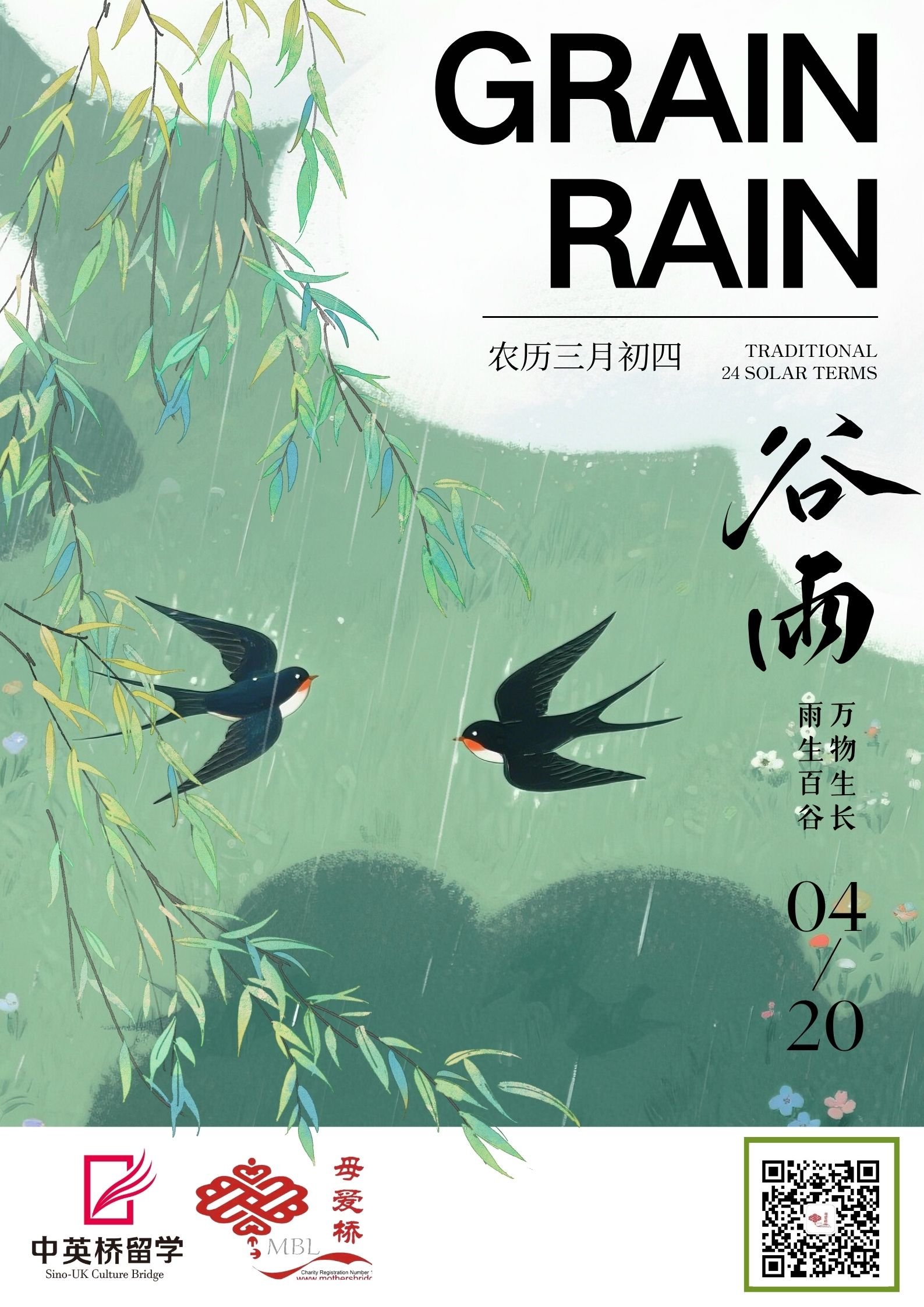
The Season That Sustains Growth
Grain Rain (谷雨) is the final solar term of spring in the traditional Chinese calendar. Arriving in late April, it marks a time when rainfall increases and warmth deepens, creating the ideal conditions for crops to grow.
In Chinese tradition, there is a saying: “Rain brings forth the hundred grains.” This season is not about sudden change, but about steady nourishment — the kind that supports life over time.
Fields are tended, seeds are strengthened, and the natural world continues its quiet work of becoming.
Growth That Cannot Be Rushed
For children, development often follows a similar rhythm. Confidence, resilience, and a sense of belonging are not formed instantly. They are cultivated through patience, encouragement, and consistent care.
For families, Grain Rain offers a reminder that meaningful support lies in the everyday:
being present, listening with attention, and allowing growth to unfold at its own pace.
At The Mothers’ Bridge of Love, we see how these small, steady acts create lasting change. When children feel supported and understood, they develop the confidence to grow into themselves.
Building Connections That Nourish
Just as rain nourishes the land, understanding nourishes relationships. Across cultures, languages, and life experiences, connection is built gradually — through trust, respect, and openness.
MBL remains committed to building bridges — between birth and adoptive culture, between China and the West, and between the poor and the rich.
These bridges create the conditions where children and families can thrive, even in the face of difference.
A Grain Rain Wish
As the spring season reaches its fullness, may you find comfort in steady care, patience in the process of growth, and quiet confidence in the connections that support you.
From all of us at The Mothers’ Bridge of Love, we wish you a nourishing and peaceful Grain Rain season. 🌾💛
The Mothers’ Bridge of Love — connecting hearts across cultures and generations.