
Chushu (处暑): When Summer Begins to Step Aside
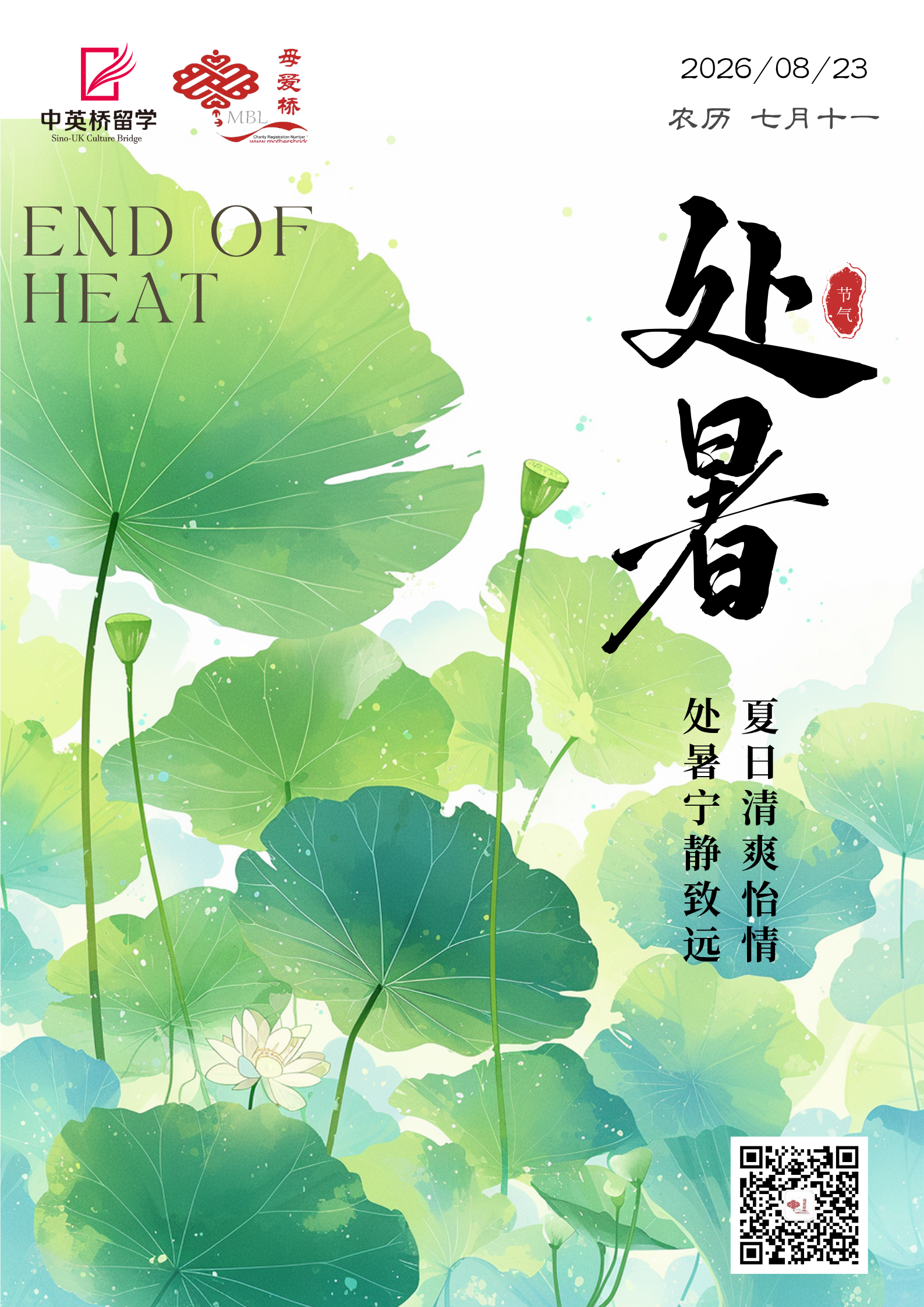
Chushu does not announce autumn with a sudden chill. Instead, it marks a gentler turning: the fiercest heat begins to loosen its hold, the light starts to soften, and the natural world quietly prepares for a new season.
A quiet turning in the year
Chushu (处暑), often translated as “End of Heat” or “Limit of Heat”, is the fourteenth of the 24 solar terms in the traditional Chinese calendar. The name combines chu, meaning to stop, withdraw or come to an end, with shu, meaning heat. It signals that the most intense part of summer is beginning to pass.
The change is not immediate. In many places, warm days continue and the lingering heat of late summer can still be felt. Yet the season has shifted. Mornings and evenings grow cooler, shadows lengthen, and the first signs of autumn appear in the air, the fields and the changing quality of the light.
This gradual transition is part of what makes Chushu so evocative. It reminds us that nature rarely moves according to sharp boundaries. One season does not simply disappear when another arrives; for a while, warmth and coolness, abundance and decline, farewell and beginning all exist together.
Reading the season through everyday life
The 24 solar terms grew from generations of close observation. They gave farming communities a way to recognise changes in temperature, rainfall, daylight and the growth of crops. Around Chushu, the work of harvest begins to come into view. In parts of China, people traditionally look forward to ripening grain, seasonal fruit and the first clearer skies after the heavy heat of summer.
Different regions have developed their own customs. Some communities welcome the cooling weather by spending time outdoors or enjoying the late-summer landscape. Seasonal foods also vary from place to place, shaped by local climate and memory. What these traditions share is attentiveness: an understanding that human life is connected to the rhythms of the natural world.
Even for those of us living far from the landscapes in which the solar terms first developed, Chushu can still offer a meaningful pause. In Britain, late August brings its own subtle turning. Summer holidays draw towards their close, children prepare to return to school, evenings begin a little earlier, and gardens carry both the fullness of summer and the first suggestion of autumn.
“Chushu reminds us that change does not always arrive dramatically. Often, it begins with a small shift in light, temperature or feeling.”
Making room for the next season
There is a quiet wisdom in noticing these small changes. Modern life often encourages us to move quickly from one task, event or season to the next. Chushu offers another rhythm: one in which transition itself deserves attention.
This may be a time to gather what summer has given us — its warmth, movement and moments of togetherness — while making space for the months ahead. It may also invite us to consider who around us is entering a period of change: a child beginning a new school year, a family adjusting to a new home, or someone facing a transition that is less visible to others.
At The Mothers’ Bridge of Love, we believe that care often begins with noticing. A thoughtful message, a patient conversation or a simple act of welcome can help another person feel less alone as circumstances change. Like the movement from summer towards autumn, the building of trust and belonging may happen gradually, through many small moments.
Carrying warmth forward
Although Chushu means the end of heat, it need not mean the end of warmth. The warmth we carry into autumn can take another form: kindness offered freely, stories shared across generations, and connections built between people and cultures.
As summer begins to step aside, may we notice the beauty of this in-between season. May we welcome change without rushing it, treasure what is passing, and carry its warmth with us into the days ahead.