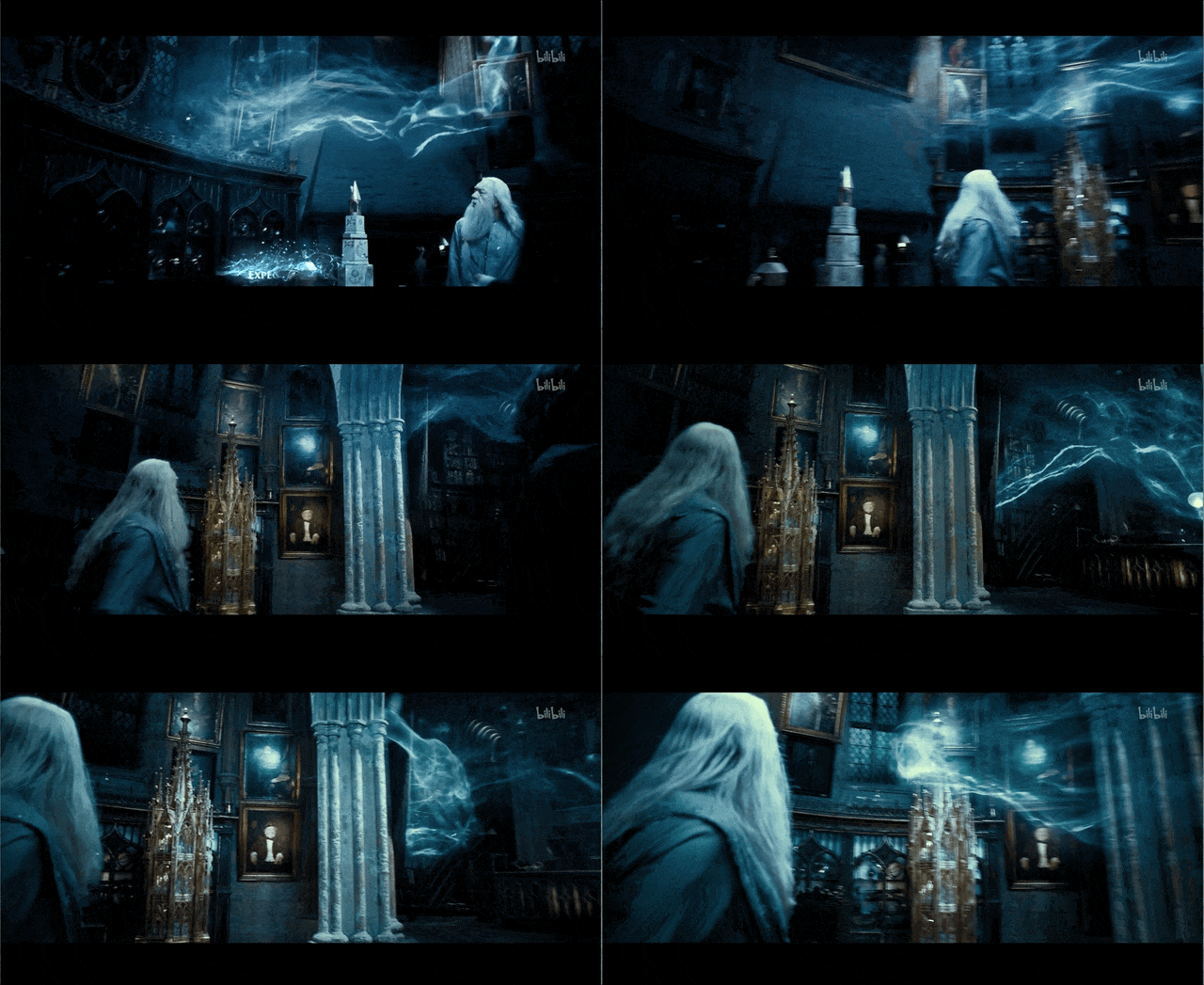
“Always Snape”: Ten Years of Admiration, Ten Years of Seeing, Ten Years Since He Left
Originally published in Chinese on the Wechat public platform of the British Consulate General Chongqing
On this day in 2016, the legendary British actor Alan Rickman passed away after a battle with cancer. In the Harry Potter films, he brought the complex inner world of Professor Severus Snape vividly to life, creating a character that has become unforgettable for generations of fans.
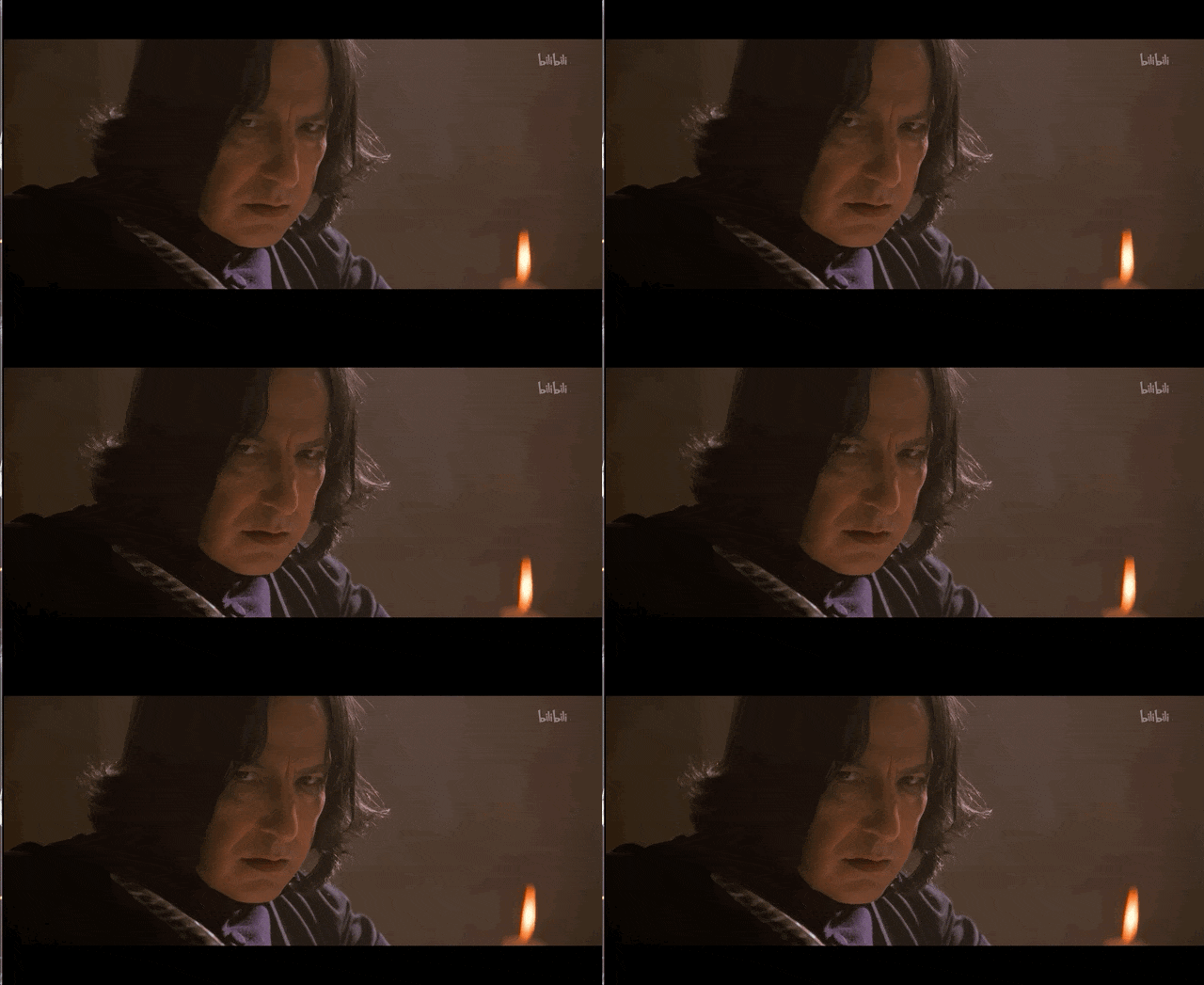
Today marks the tenth anniversary of Alan Rickman’s passing. Perhaps he has simply returned to the wizarding world. What he left behind in the Muggle world — warmth, vitality, and humanity — continues to heal and accompany so many of us.
As revealed in Madly, Deeply: The Alan Rickman Diaries, his life was filled with passion and tenderness. Looking back at his journey today, there is one phrase that captures our feelings perfectly — and it also happens to be the title of one of his films: Truly, Madly, Deeply.
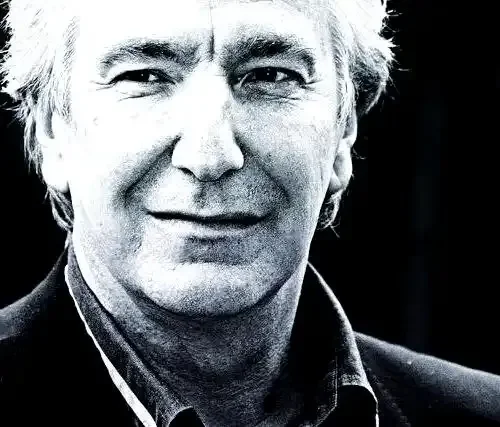
1. From a Working-Class Family, Once Making a Living as a Make-up Artist
Alan Rickman was born in London into a working-class family. His mother was a homemaker, and his father worked in a factory. When Alan was just eight years old, his father passed away, leaving his mother to raise four children alone. She later remarried, but the marriage ended in divorce three years later.
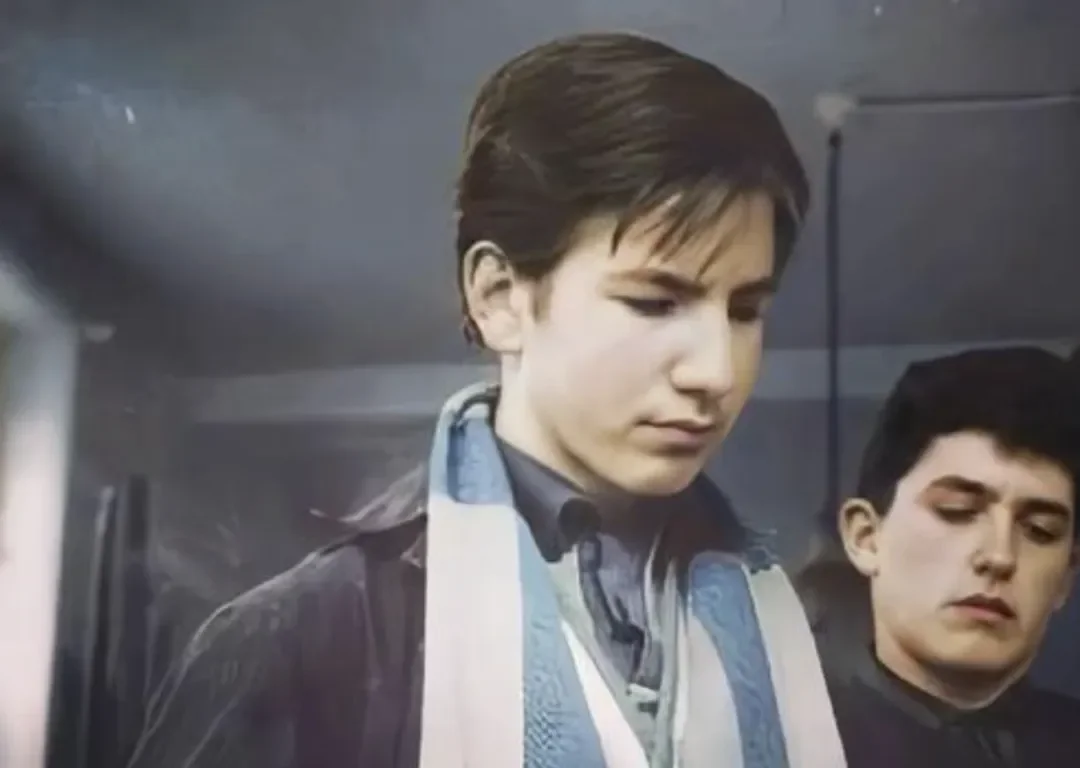
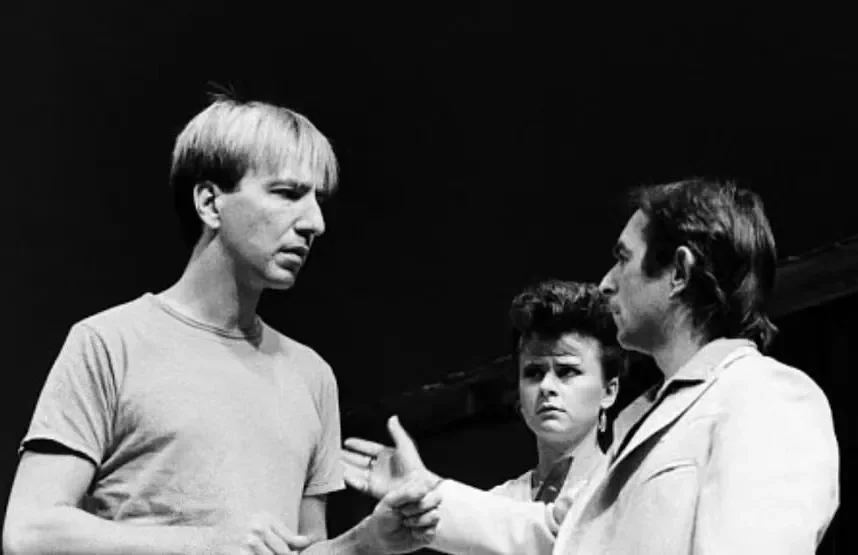
After finishing secondary school, and facing financial hardship, Alan enrolled at Chelsea College of Art, beginning his life as an artist in Soho. Later, he received a scholarship to study at the Royal Academy of Dramatic Art (RADA). During this time, he supported himself by working as a make-up artist and earned several academic awards.
Between 1969 and 1970, he co-founded a graphic design company called Graphiti, which quickly became successful. Yet, driven by a deeper desire to pursue theatre, Alan ultimately chose to dissolve the company and embark fully on the path of acting.
2. The “Professional Villain”
At the age of 42, Alan made his film debut in Die Hard, playing the head of a criminal gang — and inadvertently stepping into a long career of memorable antagonists.
In response to those who lamented his late entry into film, he remained calm and reflective:
“These days, people often don’t have enough time to build a solid foundation for their careers. Every year, countless young people enter the industry, but opportunities are few. I spent years working in small theatres outside drama school — and that experience made me cherish what I have now even more.”
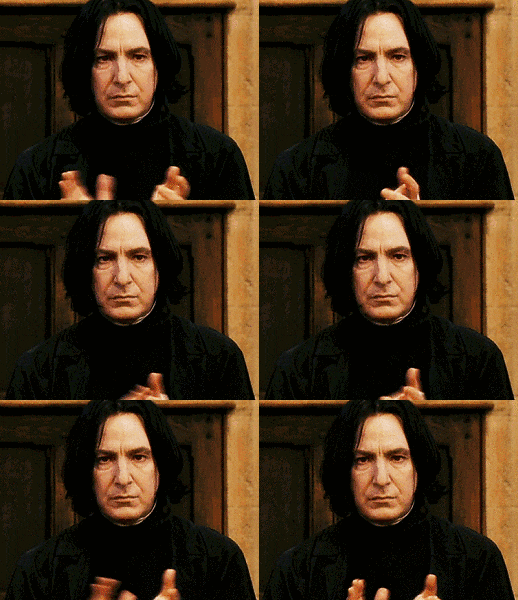
At drama school, one teacher once bluntly described his voice as sounding like “the end of a drainpipe.” Yet Alan transformed this perceived flaw into his signature strength. Just think of Snape’s low, magnetic drawl as he scolds Harry — “Misterrrrr Poterrrr” — unforgettable.
3. More Than Snape: Remembering His Many Faces
The characters Alan Rickman portrayed always carried a captivating blend of light and darkness.
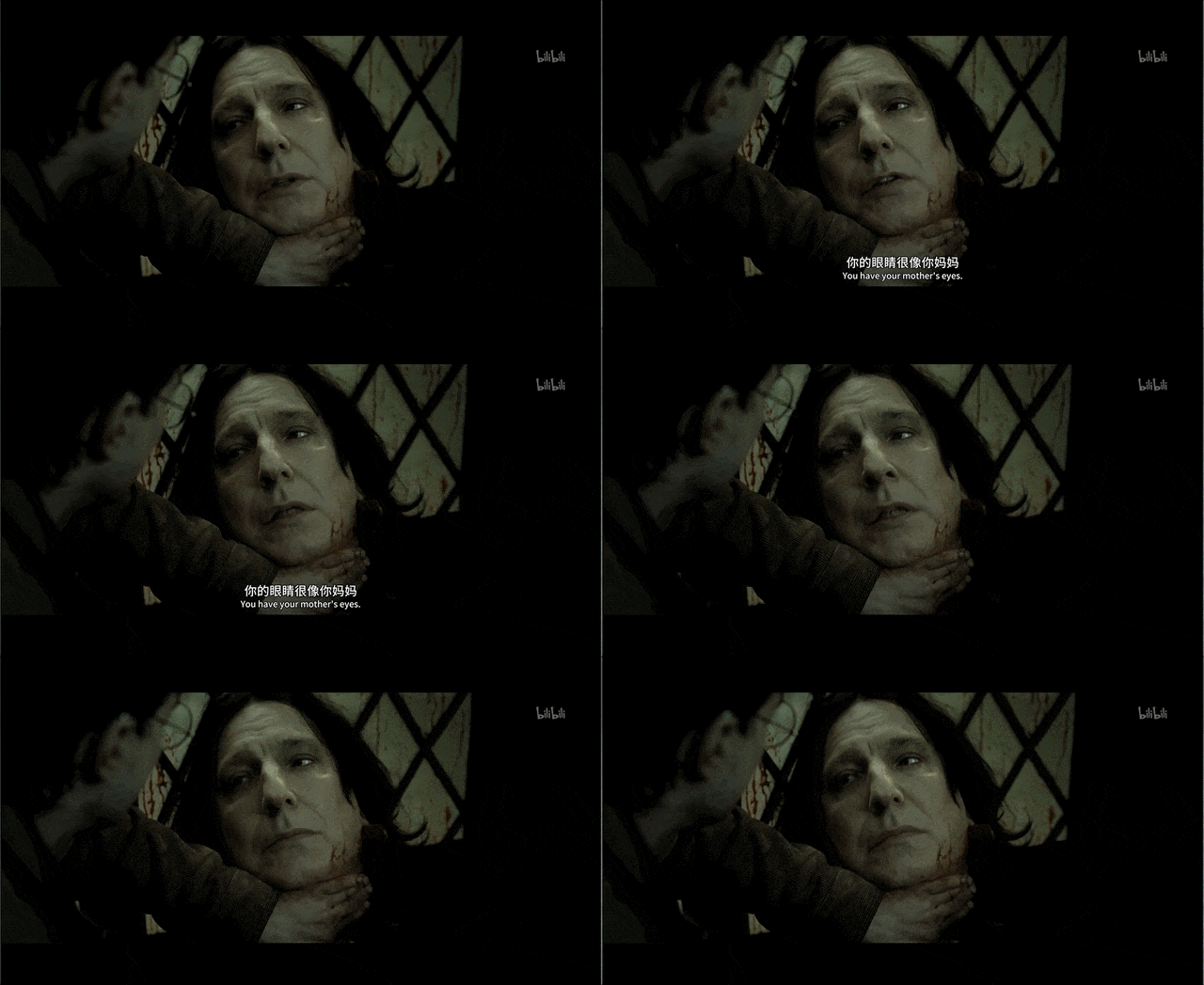
Snape in Harry Potter — sharp-tongued and severe, yet ultimately heartbreaking.
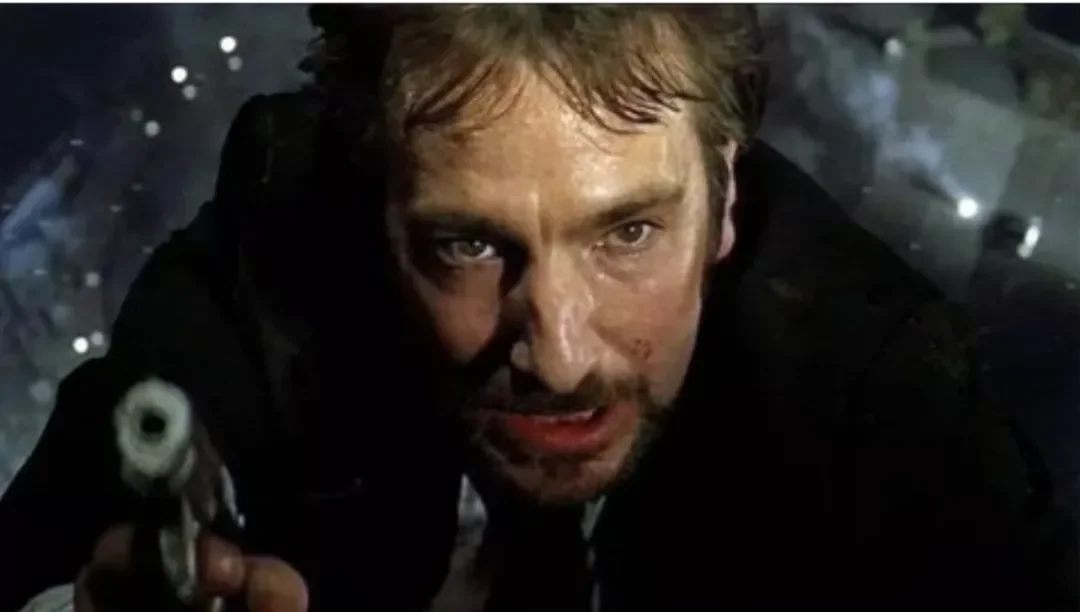
Hans Gruber in Die Hard, ranked No. 46 on the American Film Institute’s list of the “100 Greatest Heroes & Villains in Film History.”
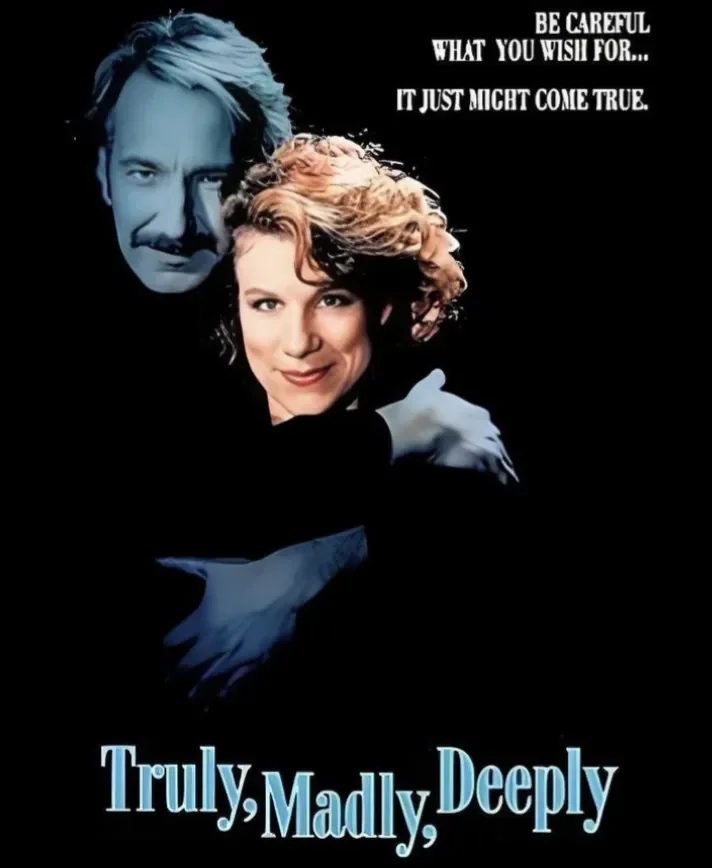
Truly, Madly, Deeply — a love that transcends life and death, an emotional tearjerker.
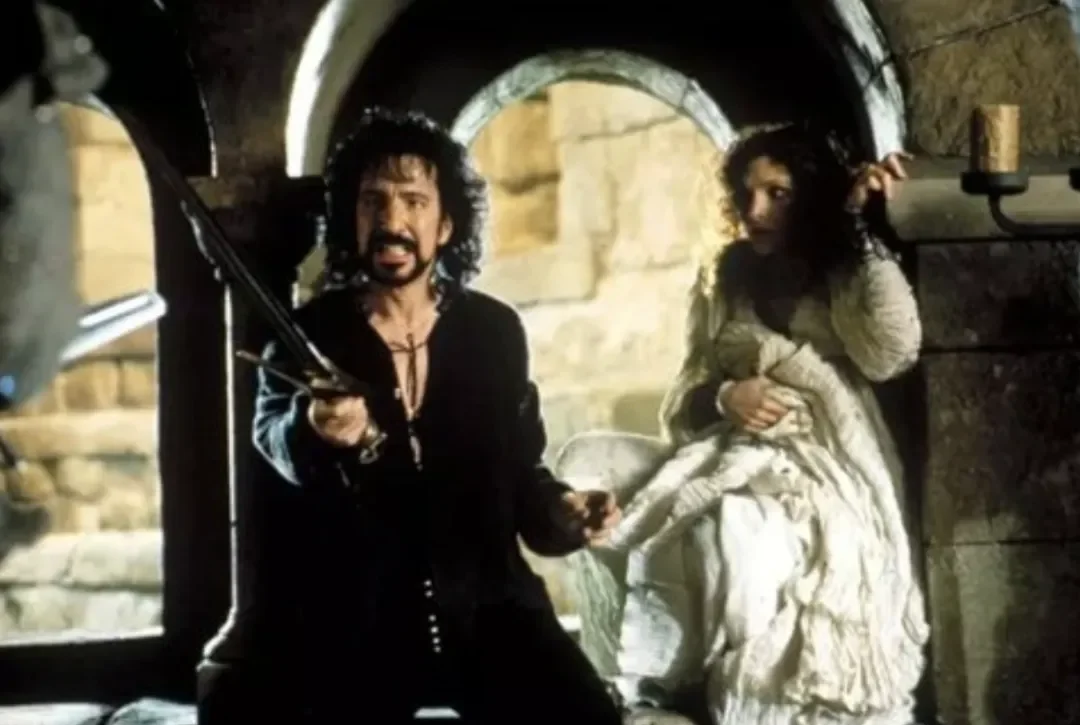
Another villainous turn in Robin Hood: Prince of Thieves, proving that not all villains are the same.
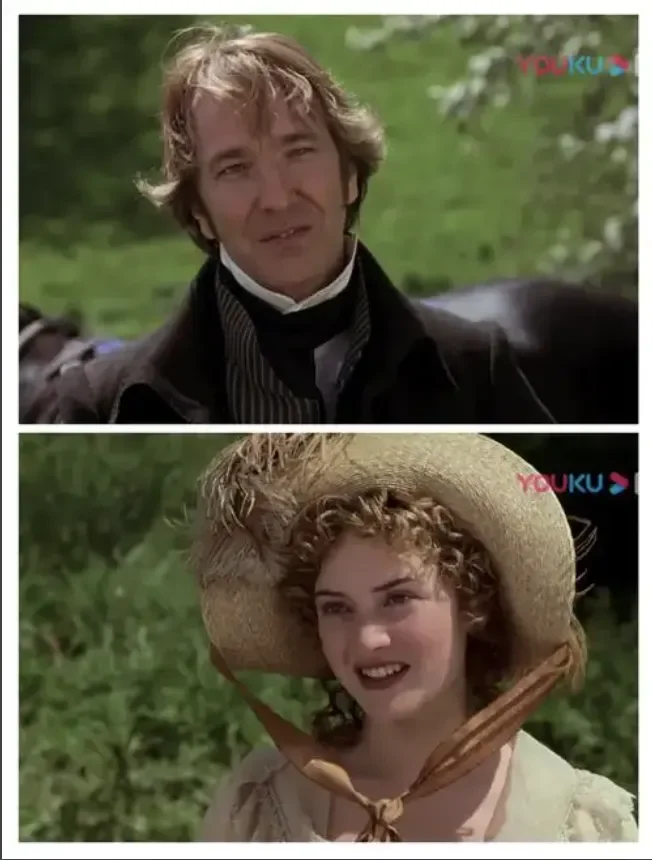
In Sense and Sensibility, praised by Emma Thompson as “irresistible.” Many readers felt little connection to Colonel Brandon on the page, only to fall in love with him on screen.
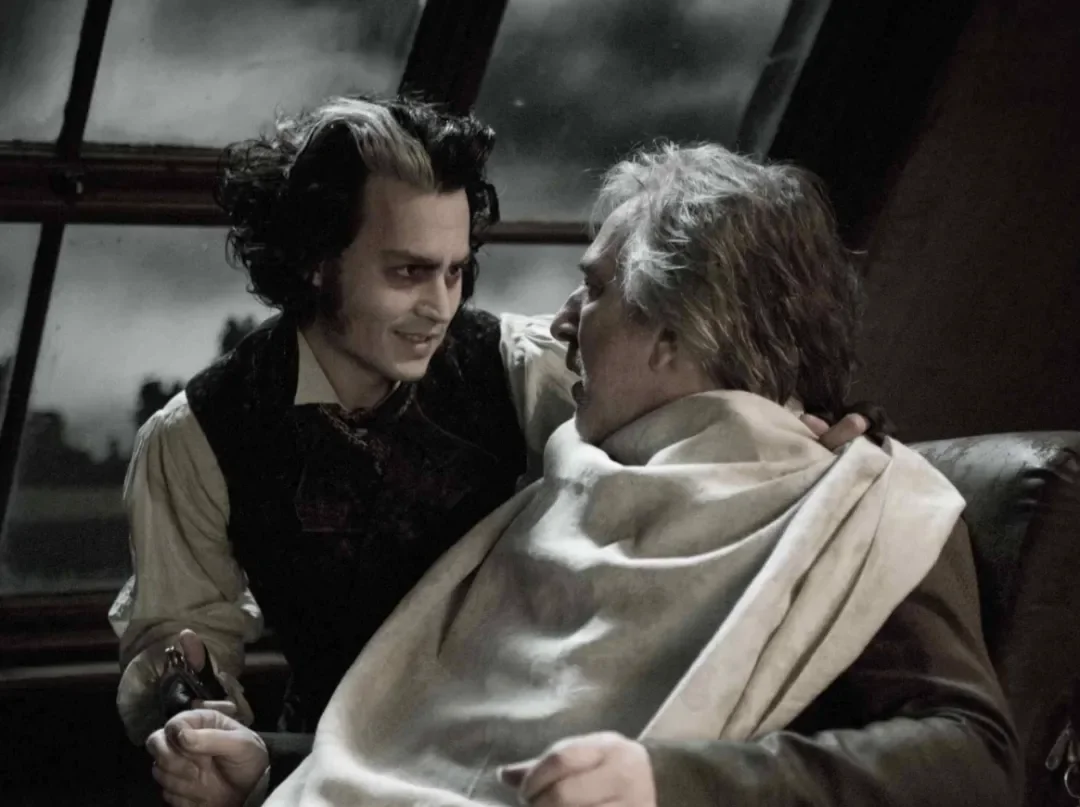
In Sweeney Todd, his portrayal of the corrupt judge was infuriatingly convincing.
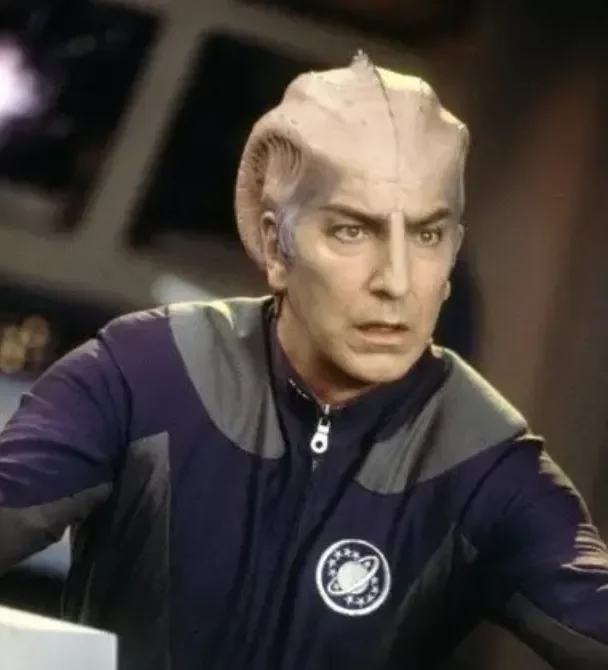
Galaxy Quest — perhaps his boldest look, where his brooding, theatrical style fit perfectly within science fiction satire.
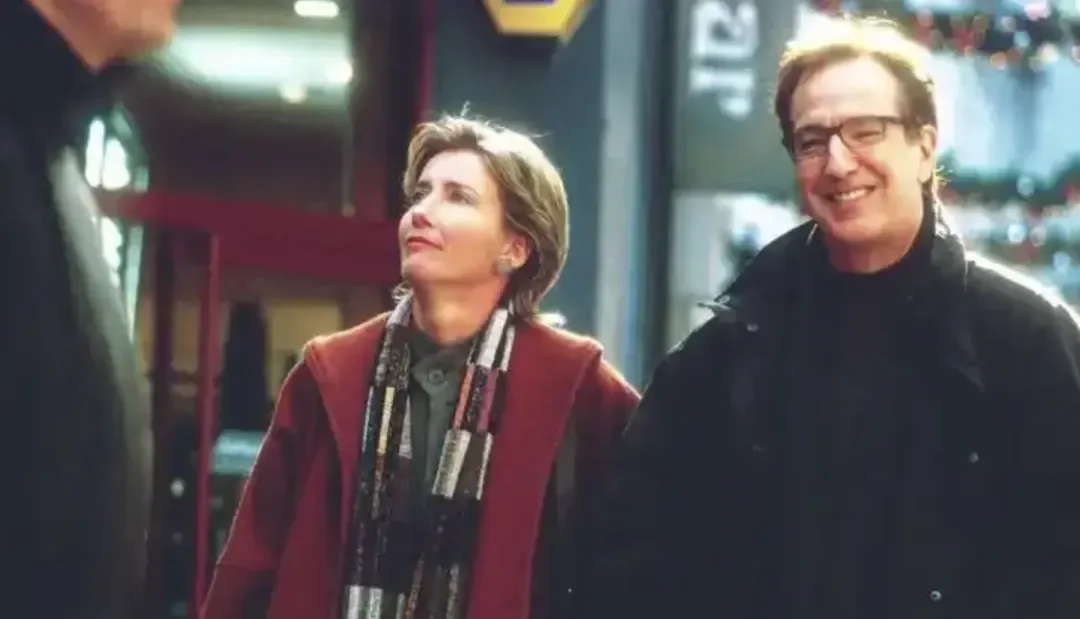
In the Christmas classic Love Actually, he played a successful man wavering under temptation — a role watched every festive season.
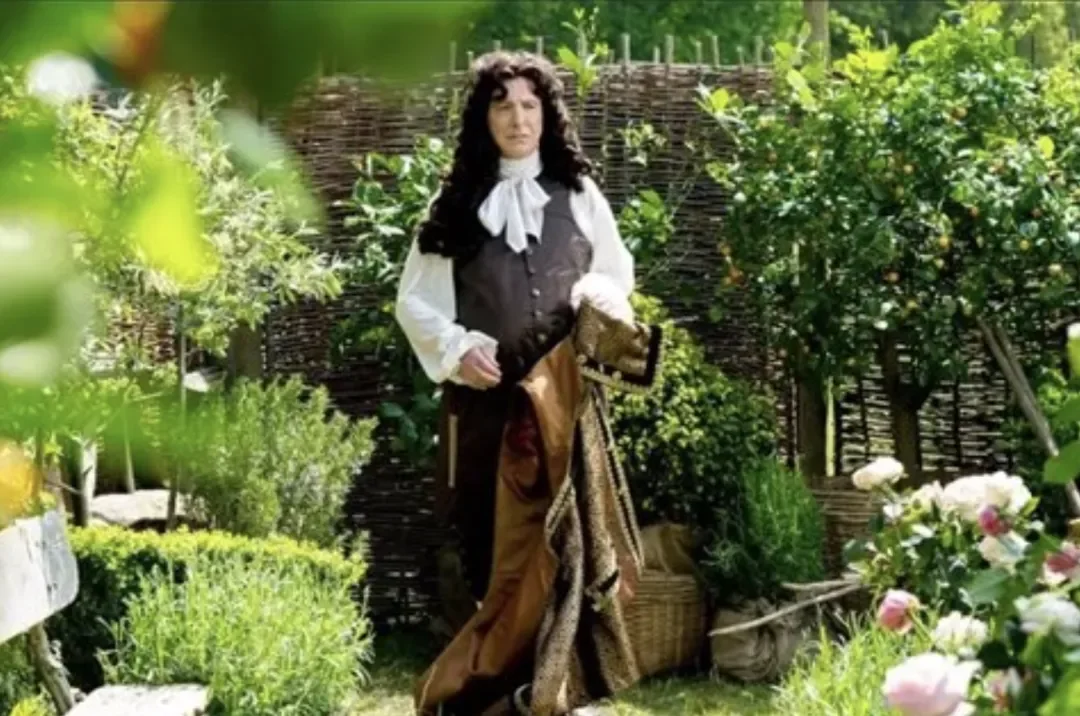
In A Little Chaos, Alan portrayed Louis XIV — restrained, classical, unmistakably British — a cinematic love letter to his long-time collaborator Kate Winslet.
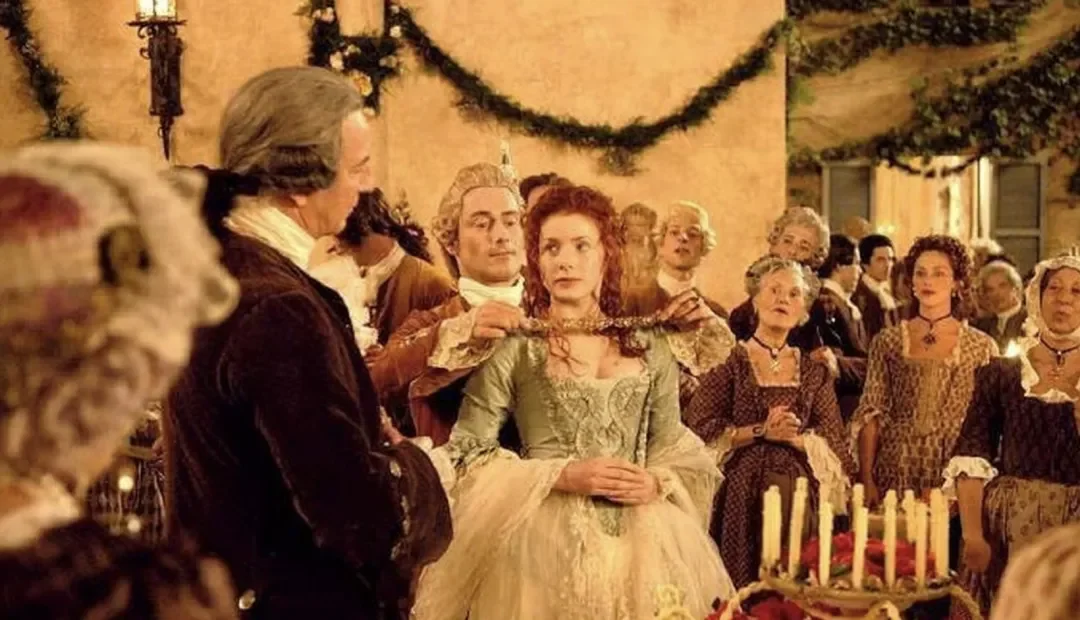
In the haunting film Perfume: The Story of a Murderer, he played an aristocratic father who frets endlessly for his daughter, only to cradle her lifeless body — a moment that embodies silent, overwhelming grief.
Entertainment Weekly once wrote:
“He may not have been on screen for very long, but he owned every minute.”
4. A Legacy of Generosity
After his death, Alan Rickman left behind an astonishing legacy of generosity, donating up to £100,000 to charities supporting theatre and the arts.
From 1995 until the final days of his life, Madly, Deeply: The Alan Rickman Diaries captured decades of his inner reflections — behind-the-scenes moments from classic films, sharp and witty commentary on books and cinema, and tender anecdotes from his fifty-year love story with his partner.
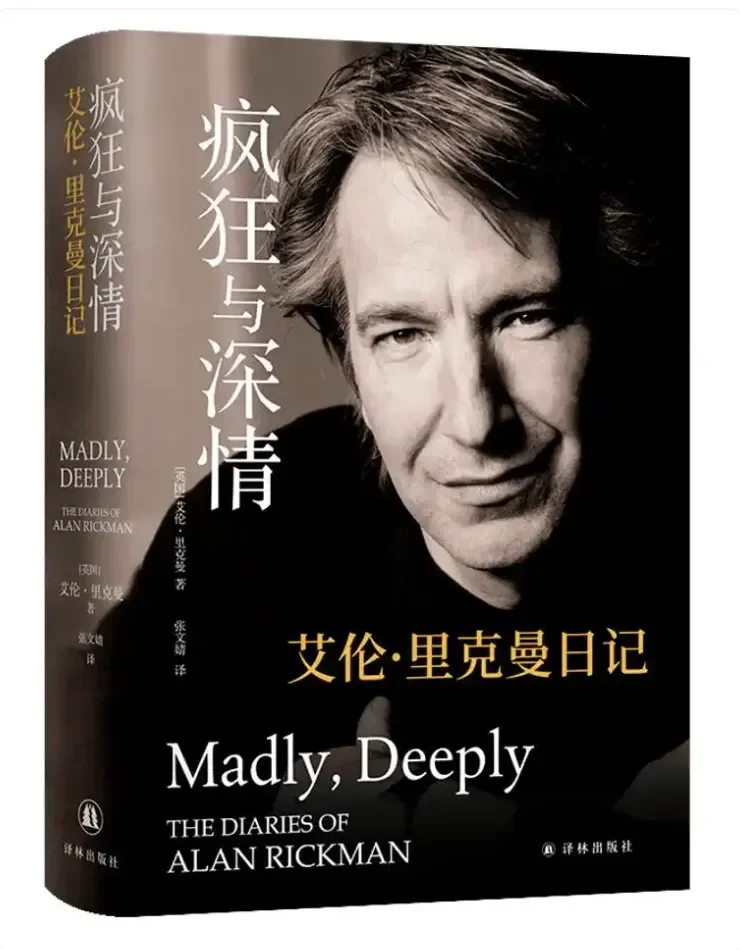
In the diaries, Alan wrote about receiving the Harry Potter offer in 2000. Because Snape’s character differed so greatly from his own personality, he admitted feeling uneasy:
“I didn’t feel much for Harry Potter, and that worried me…”
After agreeing to take the role, he immediately called J.K. Rowling to ask for more insight into Snape:
“There are things that only Snape and you know — but I need to know them too…”
On 27 July 2007, after finishing the final Harry Potter novel and learning Snape’s ultimate fate, Alan finally revealed a secret he had kept for seven years:
“Seven years ago, Rowling told me that Snape had always loved Lily — and that was the reason I could carry on.”
From the very first Harry Potter film, he guarded that secret, just as Snape did, until the very end.
Today, on the tenth anniversary of his passing, social media has once again filled with remembrance and longing.





Perhaps it is also a question we ask ourselves:
Have these ten years treated us well?
Do we still believe in the magic world?
Just like at the end of Harry Potter, when Dumbledore asks Snape:
After all these years — do you still love her?
“Always.”